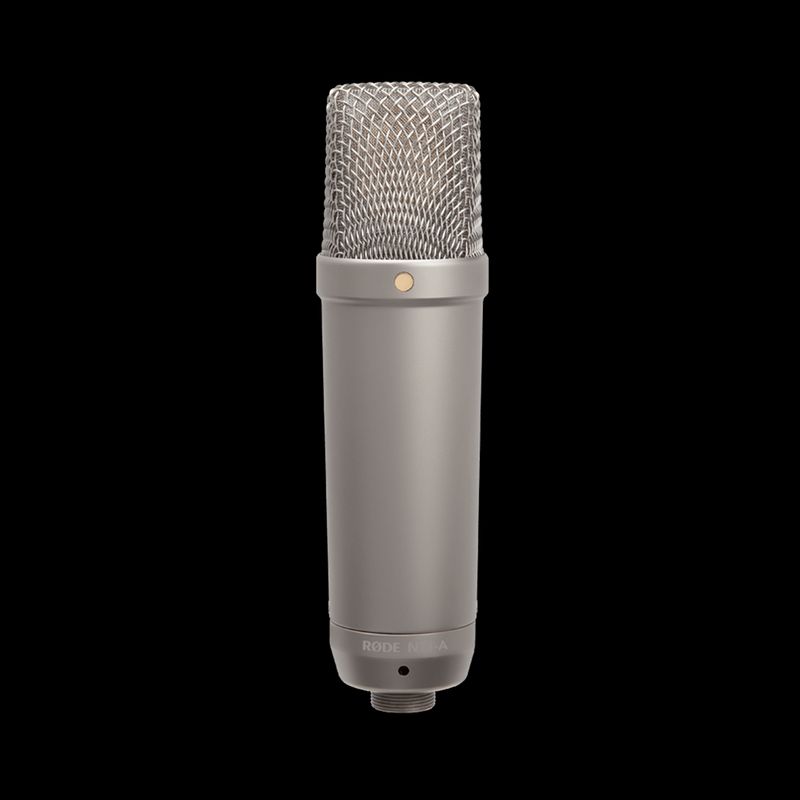
Neumann U87 Ai
Neumann U87 Ai
Avg. used price: ~£1,615(based on recent Reverb sales)·What are these selling for? →

GearBook helps you research music gear prices. Compare sold prices across Reverb and eBay, see market trends, and find the best deals.
Try a price search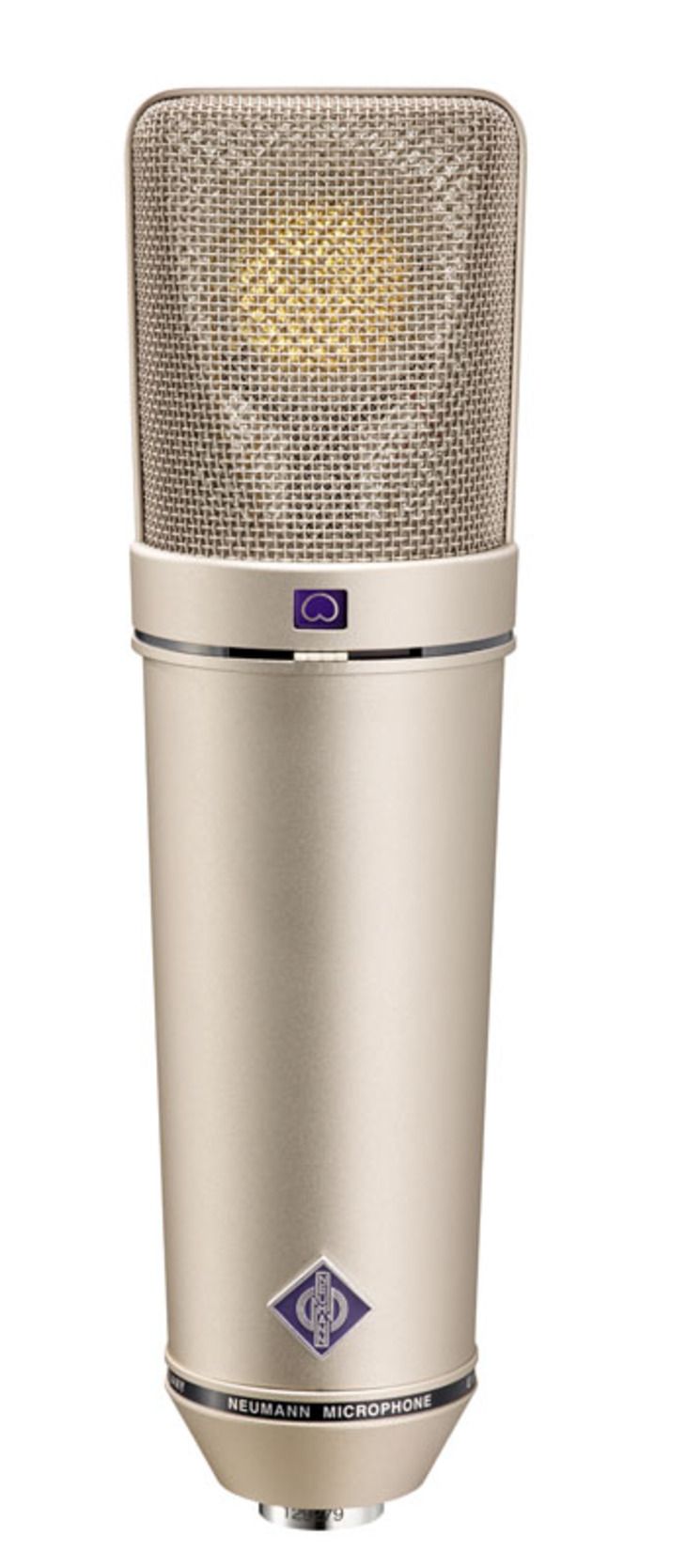
The Neumann U87 is a large-diaphragm condenser microphone first introduced in 1967 and revised to its current Ai specification in 1986. It is the most widely used studio vocal microphone in the world — present in virtually every professional studio on the planet and responsible for an incalculable number of recorded performances. Its combination of three polar patterns, low self-noise, extended frequency response, and a characteristic sound that flatters virtually every source has made it the default choice for serious vocal recording for over fifty years.
Who Is This For?
The U87 Ai suits professional studios, serious home studio owners, and anyone who records vocals as a primary activity and wants the industry reference standard. It is not a budget microphone — at around £2,499 new it requires significant investment — but on the used market it holds its value exceptionally well and represents one of the most reliable purchases in studio equipment. Engineers who have access to a U87 tend to reach for it first on vocals, voiceover, acoustic instruments, and room miking.
Sound Character
The U87 Ai has a distinctive sound: warm in the low midrange, smooth across the midrange, and with a gentle presence lift in the upper frequencies that adds clarity and detail without harshness. In cardioid mode the self-noise is just 12 dB(A) — extremely quiet — with a signal-to-noise ratio of 82 dB. The result is a microphone that captures the full character of a voice with very little colouration of its own, while still sounding unmistakably like a U87.
Three Polar Patterns
A front-panel switch selects between omnidirectional, cardioid, and figure-8. Cardioid is the standard vocal position; figure-8 is used for Blumlein stereo pairs, mid-side recording, and face-to-face interview setups; omni is used for room ambience and ensemble recording where off-axis rejection is not required. A high-pass filter switch reduces proximity effect and low-frequency rumble.
Pad and Filter
A -10 dB attenuation pad extends the maximum SPL handling from 117 dB to 127 dB, allowing the U87 to be used on loud sources including brass, drums, and loud guitar amplifiers without distortion. The low-cut filter at 80Hz reduces handling noise and low-frequency build-up from proximity effect.
U87 vs U87 Ai
The Ai revision (1986) raised the output level significantly and reduced self-noise compared to the original U87 (1967). Original U87s have a slightly different character — often described as darker and warmer — and command collector interest on the vintage market. The Ai is the current production version and the standard reference.
Videos
Frequently Asked Questions
Specifications
| Type | Large-diaphragm condenser |
| Polar Patterns | Omnidirectional, cardioid, figure-8 |
| Frequency Response | 20Hz – 20kHz |
| Self-Noise | 15 / 12 / 14 dB(A) (omni / cardioid / figure-8) |
| Sensitivity | 20 / 28 / 22 mV/Pa (omni / cardioid / figure-8) |
| Max SPL | 117 dB (127 dB with -10 dB pad) |
| S/N Ratio | 79 / 82 / 80 dB (omni / cardioid / figure-8) |
| Pad | -10 dB |
| High-Pass Filter | 80Hz roll-off |
| Impedance | 200Ω |
| Phantom Power | 48V (0.8 mA) |
| Connector | 3-pin XLR |
| Dimensions | 56mm diameter × 200mm length |
| Weight | 500g |
| Finish | Nickel or black |
| Studio Set includes | EA 87 shock mount, wooden box |
Resources
Buy New
Buy from authorized retailers. Affiliate links may earn commission.
Looking to Buy Used?
Browse current listings on Reverb and eBay to find deals.
Related Gear
Similar Gear
Specs and prices are for reference only and may be outdated or contain errors. See full disclaimer. Affiliate links may earn commission.