Korg M1
Korg M1 Used Price Guide
Avg. used price: ~£430(based on recent Reverb sales)·What are these selling for? →

GearBook helps you research music gear prices. Compare sold prices across Reverb and eBay, see market trends, and find the best deals.
Try a price search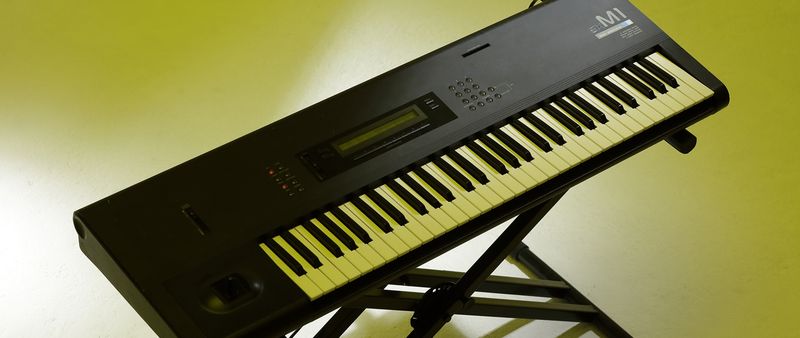
Korg M1 used prices at a glance
The Korg M1 typically sells for between £419 and £476 on the used market, with an average price of £430 based on recent Reverb sold listings. The Korg M1 is frequently traded on the used market. Prices have softened over the last 30 days.
- Average used prices
- Latest sold listings
- Price trends over time
- Factors that affect resale value
If you're buying or selling a Korg M1, this gives you a realistic view of what it actually sells for today.
Low
£419
Average
£430
High
£476
- Average Used Price
- £430
- Typical Range
- £419 – £476
- Last Sold Price
- £430
- Trend
- falling
- Most Recent Sale
- 4 days ago
Why are Korg M1 prices falling?
Used Korg M1 prices have softened over the last 30 days. That can happen when a newer alternative arrives, when more sellers list at once, or when buzz fades. For buyers, it's an opportunity — target around £430 and you should find a match. Sellers may want to wait, or focus on condition and accessories to stay near the top of the range.
Units in better condition or with original packaging tend to sell at the higher end of the range, while heavily used examples sell for less.
Demand for the Korg M1 remains strong among synth enthusiasts and producers, which helps support its resale value.
The Korg M1 is arguably the most important synthesizer workstation ever made. Released in 1988, it was the first keyboard to successfully combine sample-based synthesis, digital effects, drum sounds, and a built-in sequencer in a single instrument. It sold approximately 250,000 units during its production run and defined the sound of late-1980s and 1990s pop, dance, and R&B music. If you have ever heard the "M1 Piano" or that unmistakable breathy organ pad, you have heard this instrument.
The M1 uses Korg's AI (Advanced Integrated) synthesis system, which layers PCM waveforms stored in 4MB of ROM through digital filters, envelopes, and two effects processors. With 16-voice polyphony and 8-part multitimbrality, it could handle complex arrangements internally. The effects section was a major selling point at launch -- dual processors offering reverb, delay, chorus, EQ, overdrive, flanger, and rotary speaker gave the M1 a polished, production-ready sound straight from the outputs. The built-in 8-track sequencer held up to 7,700 notes across 10 songs and 100 patterns, making it possible to sketch and produce entire tracks without any external gear.
What made the M1 revolutionary was not any single feature but the combination of everything in one box. Before the M1, producing a track required a separate synth, drum machine, effects rack, and sequencer. Korg put it all behind a 61-key velocity- and aftertouch-sensitive keyboard and priced it within reach of working musicians. The sounds themselves -- while clearly digital -- had a warmth and character that transcended their 16-bit, 4MB origins. ROM card slots allowed expansion with additional sound libraries, and the preset sounds became so ubiquitous that they are now instantly recognizable production signatures. Korg later released a software version (M1 V2) for those who want the classic sounds in plugin form.
Who Is This For?
- Vintage synth enthusiasts who want to own a genuine piece of music production history
- Producers seeking authentic late-1980s and early-1990s digital tones for retro-styled tracks
- Keyboardists who appreciate an all-in-one workstation with a straightforward workflow
- Collectors looking for one of the best-selling synthesizers ever manufactured
Used M1s are widely available and remain reasonably affordable for a vintage instrument of this significance. Prices vary based on condition, but working units can often be found for a few hundred dollars. Common issues on older units include failing battery backup for user presets and worn-out key contacts, so inspect before buying. If you only want the sounds, the Korg M1 V2 software plugin is a faithful and convenient alternative.
Videos
Frequently Asked Questions
Specifications
| Year Released | 1988 |
| Synthesis Type | AI (PCM sample-based) |
| Polyphony | 16 voices |
| Multitimbral | 8 parts |
| Sample ROM | 4MB (expandable via ROM cards) |
| Keyboard | 61 keys (velocity + aftertouch) |
| Effects | 2 digital processors (reverb, delay, chorus, etc.) |
| Sequencer | 8-track, 7,700 notes, 100 patterns, 10 songs |
| Outputs | Stereo + 2 individual outputs |
| Units Sold | ~250,000 |
Resources
Looking to Buy Used?
Browse current listings on Reverb and eBay to find deals.
Featured In
Related Gear
More from Korg
Specs and prices are for reference only and may be outdated or contain errors. See full disclaimer. Affiliate links may earn commission.