The analog vs digital debate has been running since the first digital synths appeared in the 1980s. Four decades later, the lines are blurrier than ever — but the fundamental differences still matter. Here's what's actually going on inside these machines.
How Analog Synthesis Works
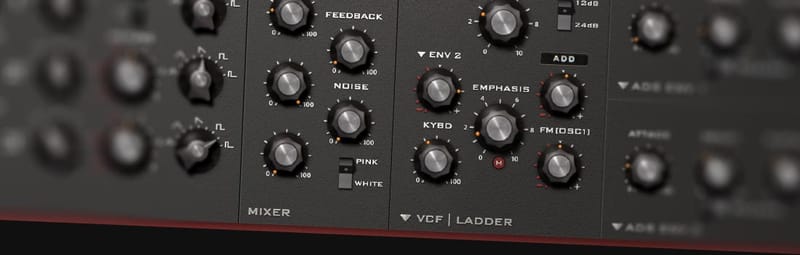
An analog synthesizer generates sound using electrical circuits. Voltage-controlled oscillators (VCOs) produce continuous waveforms — sawtooth, square, triangle, sine — by physically moving electrons through circuits. These signals pass through voltage-controlled filters (VCFs) and voltage-controlled amplifiers (VCAs), all shaped by envelope generators and low-frequency oscillators (LFOs).
The key point: the sound never becomes numbers. From oscillator to output, it's a continuous electrical signal. This is why analog synths are described as "warm" — the subtle imperfections, component tolerances, and thermal drift create micro-variations that our ears perceive as organic and alive.
Classic Analog Synths
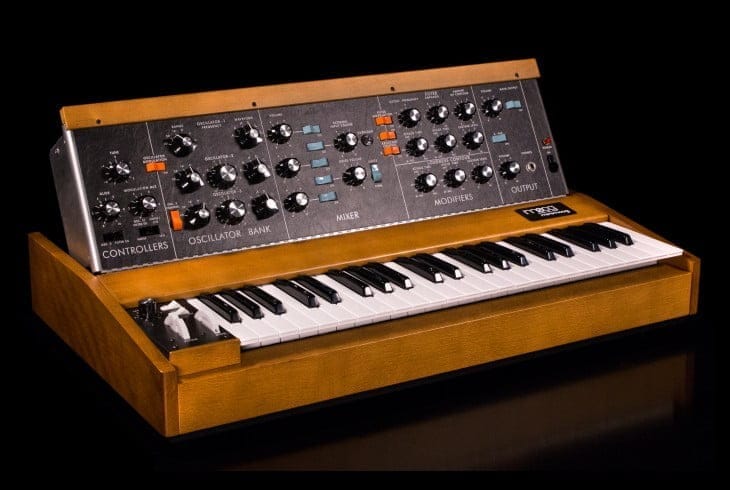
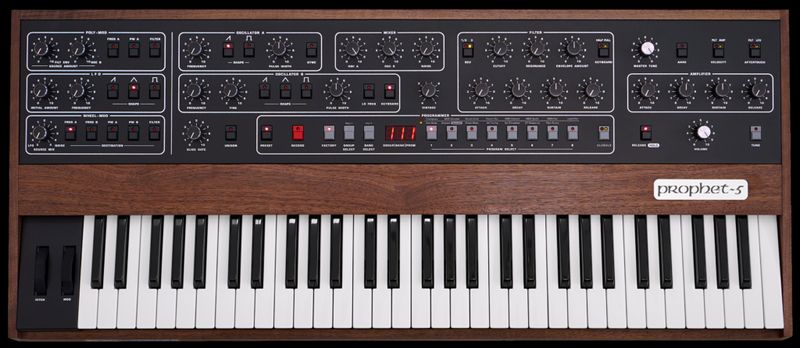
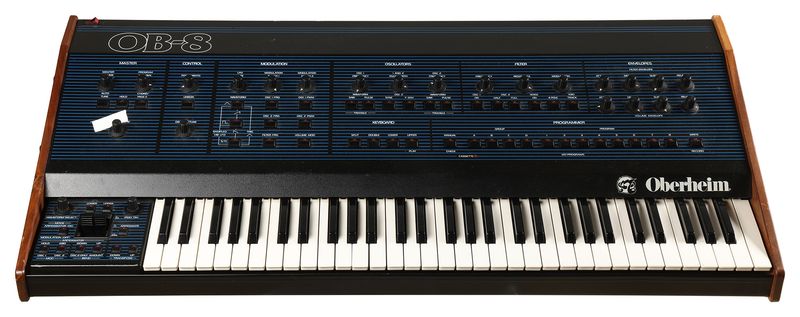
The Moog Minimoog Model D~£2711 used set the template for subtractive analog synthesis in 1970. Its ladder filter became the benchmark for low-pass filter design. The Sequential Prophet-5~£4034 used brought programmable polyphony to analog in 1978, and the Oberheim OB-8~£5060 used delivered massive pads that defined 1980s pop.
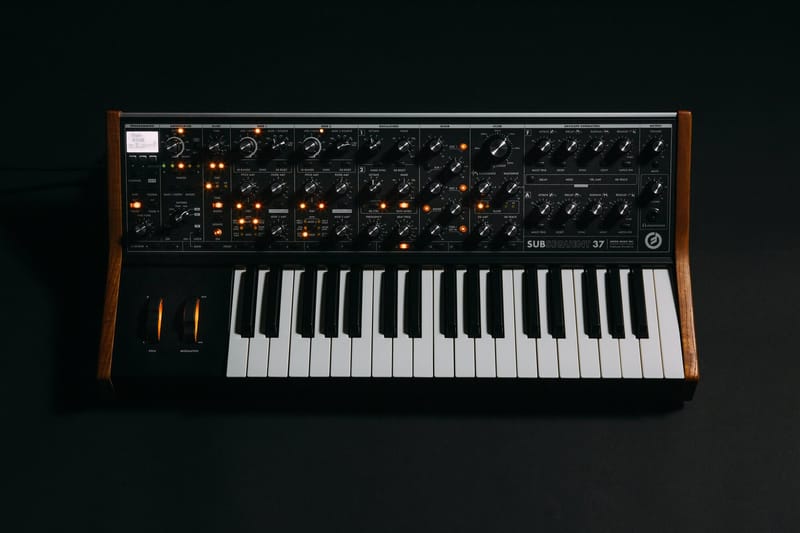
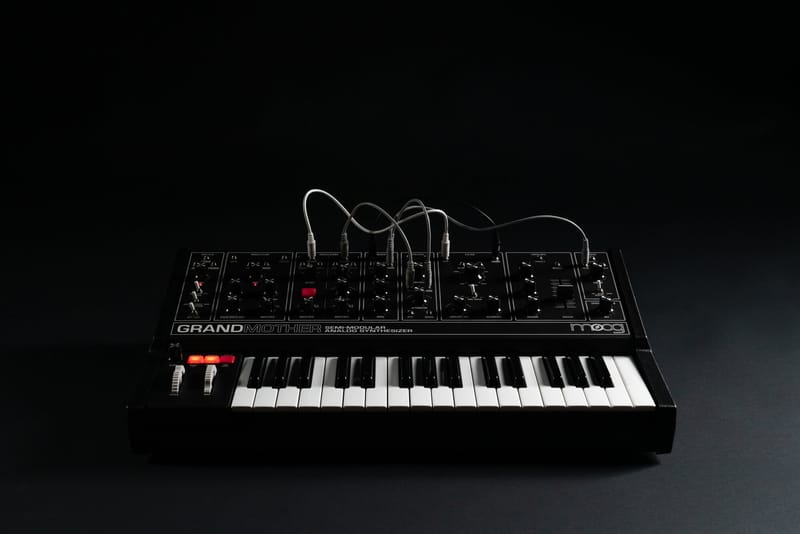
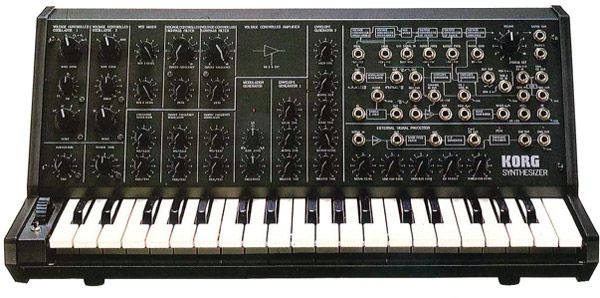
Modern analog synths like the Moog Subsequent 37~£1047 used and Moog Grandmother~£607 used carry this tradition forward with contemporary features like MIDI and USB while keeping the signal path entirely analog. The Korg MS-20~£1305 used remains a cult favourite for its aggressive, gritty filter character.
How Digital Synthesis Works
A digital synthesizer generates sound using mathematical calculations. A processor computes waveform values as numbers (samples) thousands of times per second, converting them to an analog audio signal only at the final output stage via a digital-to-analog converter (DAC).
Digital synthesis isn't limited to imitating analog. It opened up entirely new methods:
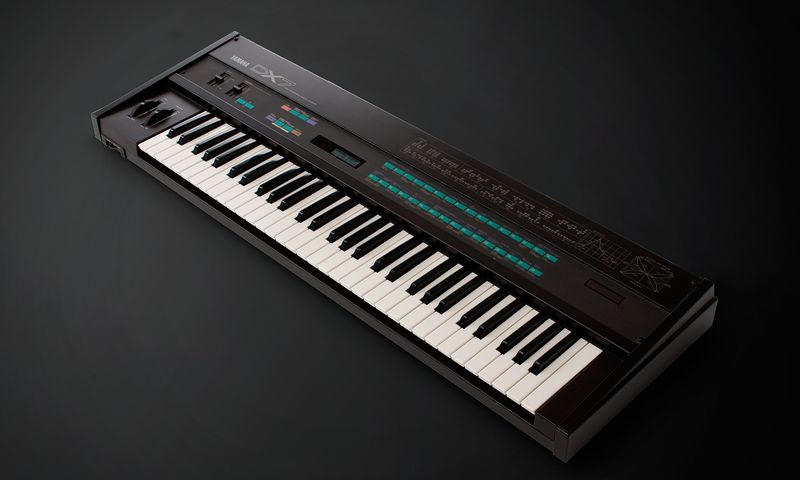
- FM Synthesis — The Yamaha DX7~£619 used used frequency modulation to create complex, harmonically rich tones that analog circuits couldn't produce. Its electric piano and bell sounds defined 1980s pop.
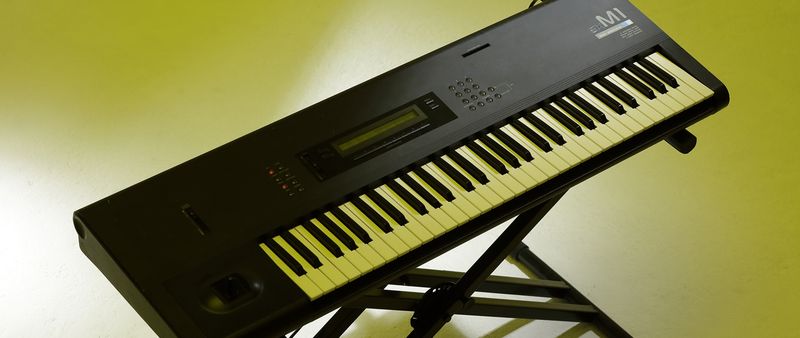
- Sample-Based (Rompler) — The Korg M1~£430 used stored real instrument recordings in ROM and played them back with processing. This workstation approach gave musicians pianos, strings, and drums in one keyboard.
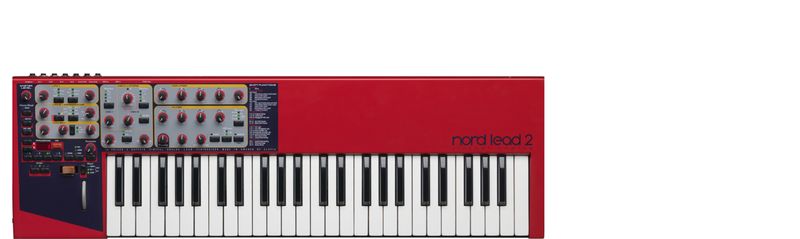
- Virtual Analog (VA) — The Clavia Nord Lead 2~£541 used used digital processing to model analog circuit behaviour, coining the term "virtual analog" and proving that digital could convincingly emulate analog warmth.
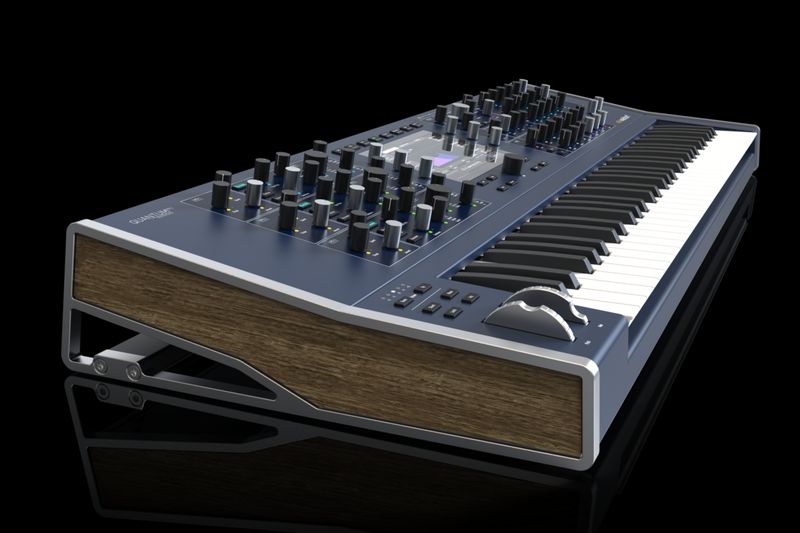
- Wavetable — Synths like the Waldorf Quantum MK2~£3189 used and software like Vital morph between stored waveform snapshots, creating evolving timbres impossible with fixed analog waveforms.
The Hybrid Approach
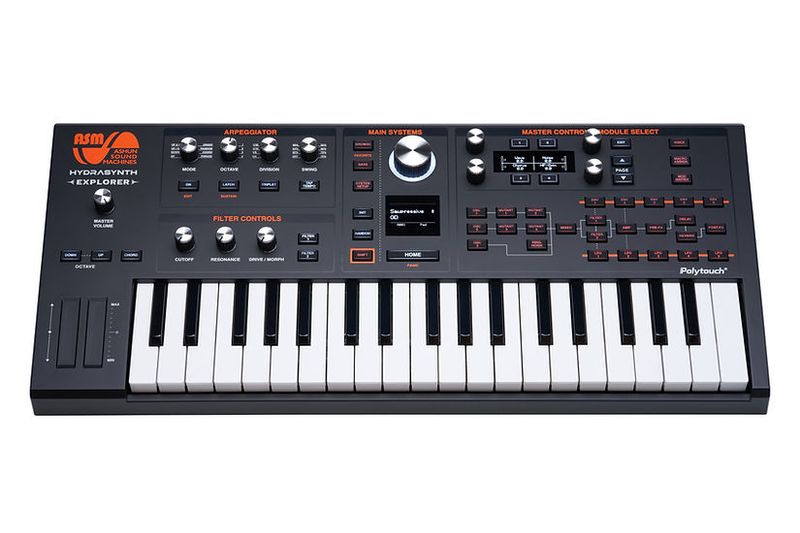
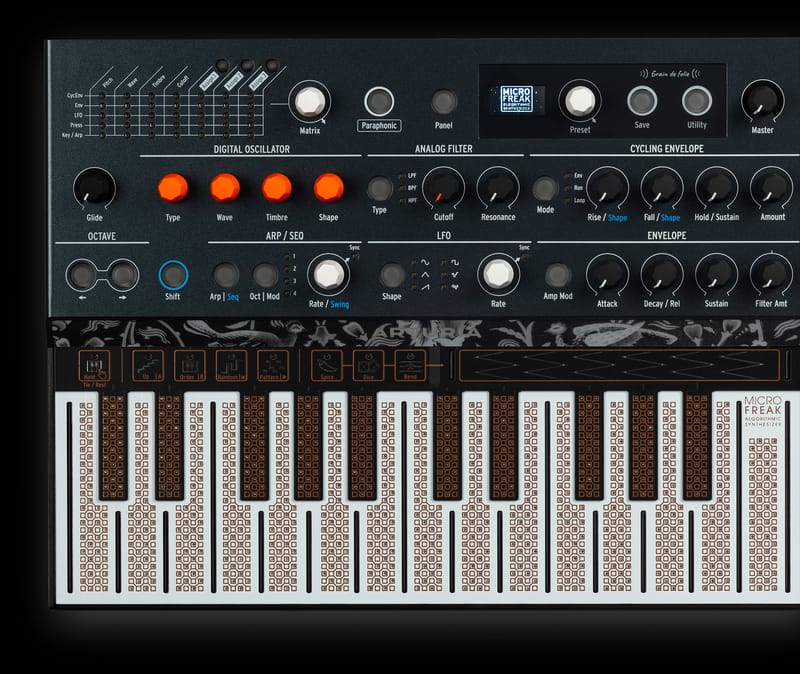
Many modern synths combine both worlds. The Arturia MicroFreak~£206 used pairs a digital oscillator section with an analog filter. The ASM Hydrasynth Explorer~£418 used is entirely digital but designed with hands-on analog-style controls. The Waldorf Quantum MK2~£3189 used offers analog filters processing digital oscillators.
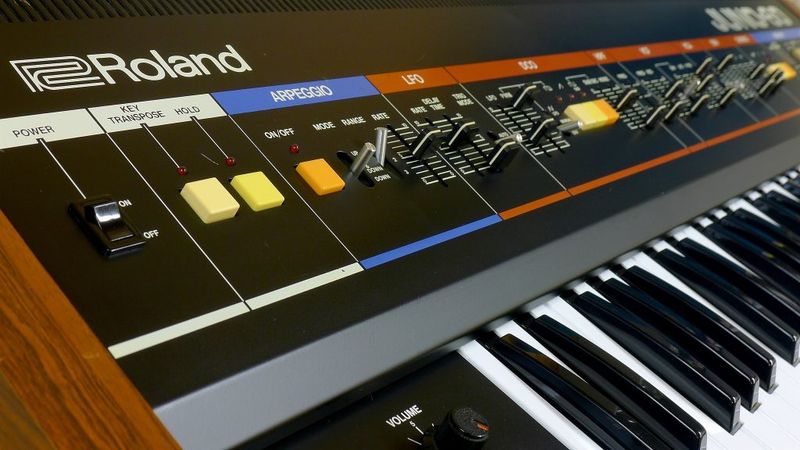
The Roland Juno-60~£2343 used was arguably the first popular hybrid — its single digitally-controlled oscillator (DCO) per voice gave it the tuning stability of digital with the filter warmth of analog. The result was one of the most beloved synth sounds ever made.
Does It Actually Matter?
Here's the honest answer: in a finished mix, most listeners cannot tell the difference. Modern digital emulations like u-he Diva are remarkably close to the hardware they model. Blind tests consistently show that even experienced producers struggle to identify analog vs digital.
Where it does matter:
- Playing experience — Analog synths respond differently under your fingers. Knob movements affect real circuits with continuous, immediate results. Many players find this more inspiring.
- Imperfection — Analog oscillators drift slightly, filters have subtle inconsistencies between voices, and components age. These imperfections add up to a sense of "life" that's difficult (though not impossible) to model digitally.
- Workflow — A hardware analog synth with one knob per function invites exploration. A software synth with unlimited recall and automation invites precision. Neither is better; they encourage different creative approaches.
Where It Doesn't Matter
- In a mix with 30 other tracks — The subtle differences vanish in context.
- For genres built on digital sounds — FM synthesis, wavetable, and granular textures are inherently digital. No analog synth can do what a Yamaha DX7~£619 used does.
- On a budget — A free plugin like Vital will get you further than an expensive analog monosynth if versatility is what you need.
The Bottom Line
Analog and digital are tools, not religions. The best synth is the one that makes you want to play it. Some of the most iconic electronic music was made on cheap digital gear, and some of the most boring music has been made on vintage analog legends.
If you're choosing your first hardware synth, don't start with the analog vs digital question. Start with: what sounds do I want to make, and what's my budget? The answer to that will point you in the right direction more reliably than any amount of debate about oscillator topology.