Yamaha DX7
Yamaha DX7 Used Price Guide
Avg. used price: ~£619(based on recent Reverb sales)·What are these selling for? →

GearBook helps you research music gear prices. Compare sold prices across Reverb and eBay, see market trends, and find the best deals.
Try a price search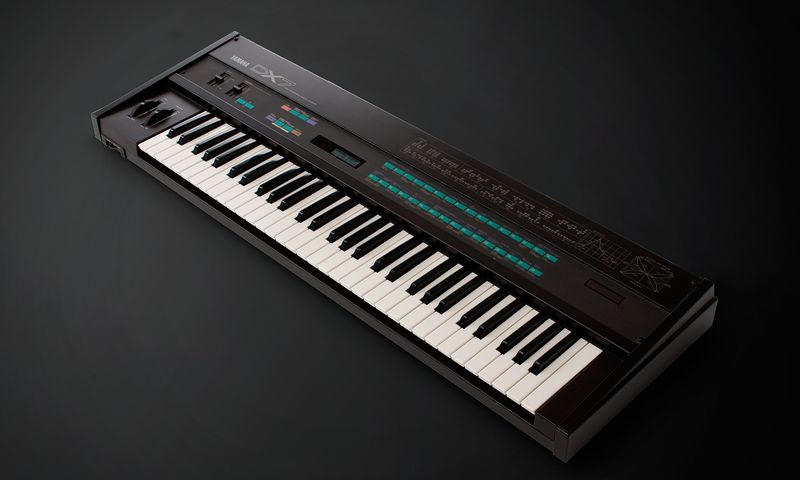
Yamaha DX7 used prices at a glance
The Yamaha DX7 typically sells for around £619 on the used market, with an average price of £619 based on recent Reverb sold listings.
- Average used prices
- Latest sold listings
- Price trends over time
- Factors that affect resale value
If you're buying or selling a Yamaha DX7, this gives you a realistic view of what it actually sells for today.
Low
£619
Average
£619
High
£619
- Average Used Price
- £619
- Last Sold Price
- £619
- Most Recent Sale
- 3 days ago
The Yamaha DX7 changed everything. Released in 1983, it was the first commercially successful digital synthesizer, selling over 200,000 units and defining the sound of an entire decade. Its distinctive FM synthesis engine produced bright, glassy tones that analog synths simply couldn't match—particularly its iconic electric piano and bell sounds.
FM (frequency modulation) synthesis works by modulating one frequency with another, creating complex harmonic content. The DX7 uses 6 operators arranged in 32 different algorithms, each operator combining an oscillator, envelope, and amplifier. Every operator has its own 8-parameter envelope generator, allowing incredibly detailed sound design. The trade-off? Programming it is notoriously difficult—the membrane buttons and menu-diving interface meant most users stuck to the excellent factory presets.
The 61-note keyboard features both velocity and aftertouch sensitivity, a premium feature at the time. You get 16-voice polyphony, pitch and mod wheels, and full MIDI implementation. The DX7 stores 32 patches internally, with a cartridge slot for additional sounds. Notably absent is any filter section—all tonal shaping comes from the FM engine itself.
Yamaha deliberately designed the DX7 to look nothing like the knob-covered analog synths of the era. The clean, minimal panel reflected its digital nature but frustrated hands-on programmers. Still, those factory presets were so good that the DX7 appeared on 40% of US Billboard number-one singles in 1986.
Who Is This For?
- Vintage keyboard collectors wanting a cornerstone piece of synth history
- 80s enthusiasts after authentic FM electric pianos, bells, and brass
- Sound designers willing to learn FM programming for unique timbres
- Producers who want the real thing over FM plugins and emulations
Original DX7s are plentiful on the used market thanks to high production numbers, making them relatively affordable for such an iconic instrument. Battery replacement for patch memory is often needed on older units. If you want easier FM programming with similar sounds, the Yamaha Reface DX or software like Native Instruments FM8 are modern alternatives—but nothing quite captures the character of the original hardware.
Videos
Frequently Asked Questions
Specifications
| Year | 1983 |
| Synthesis | 6-operator FM |
| Algorithms | 32 |
| Polyphony | 16 voices |
| Keyboard | 61 keys, velocity + channel aftertouch |
| Memory | 32 patches (+ cartridge slot) |
| Output | Mono |
| Connectivity | MIDI In/Out/Thru |
| LFO | Sine, Square, Triangle, Saw, Random |
| Weight | 15 kg |
| Units Sold | 200,000+ |
Resources
Looking to Buy Used?
Browse current listings on Reverb and eBay to find deals.
Featured In
Related Gear
More from Yamaha
Specs and prices are for reference only and may be outdated or contain errors. See full disclaimer. Affiliate links may earn commission.