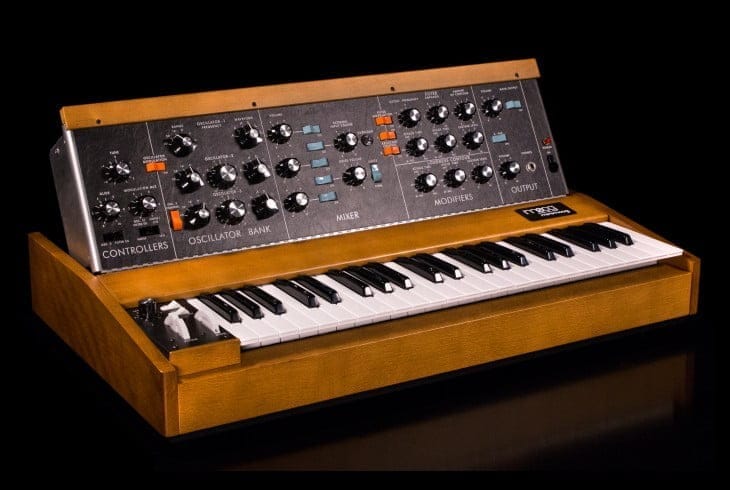
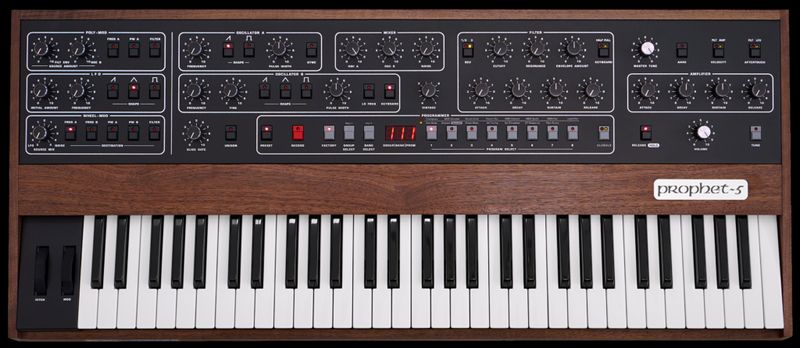
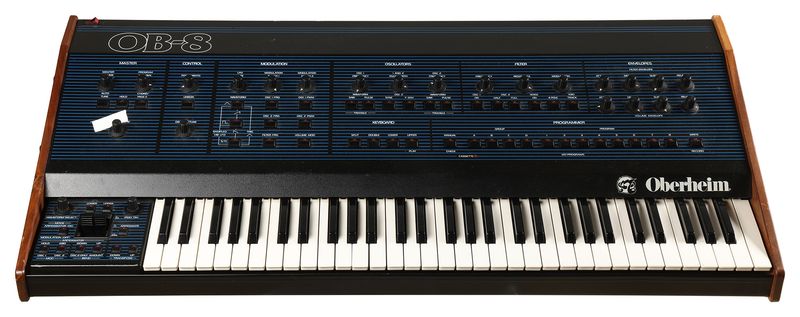
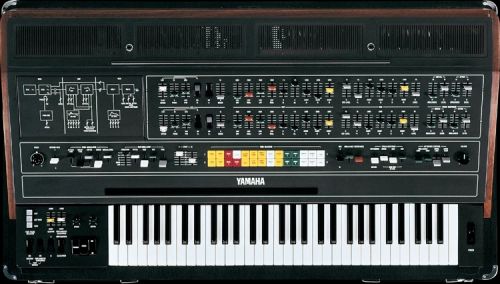
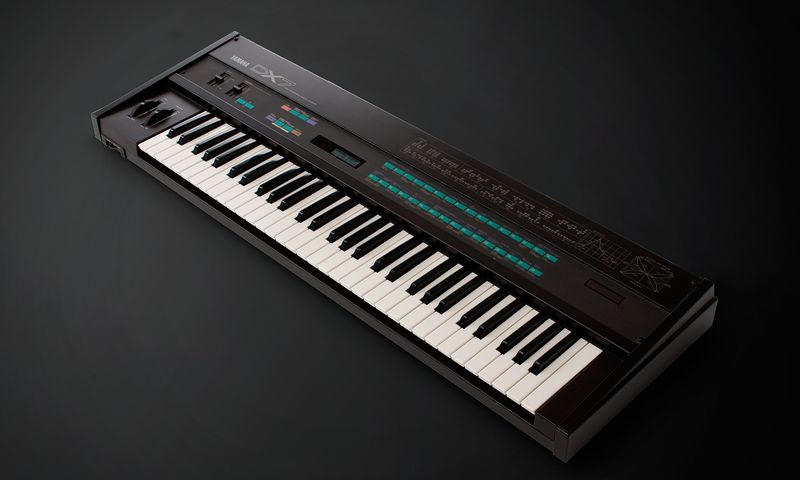
Vintage synths are exciting purchases — and expensive mistakes if you don't know what to look for. Whether you're spending £500 on a Yamaha DX7~£619 used or £15,000 on a Moog Minimoog Model D~£2711 used, the same principles apply. Here's what to check before handing over your money.
Before You Buy: Research
Know the Market Price
The single most important step. Check what the synth has actually sold for recently, not what sellers are asking. There's often a significant gap between listed prices and completed sales. Use GearBook to compare sold prices across Reverb and eBay.
Know the Revisions
Many vintage synths went through hardware revisions that significantly affect sound and value:
- The Sequential Prophet-5~£4034 used has Rev 1 (SSM chips, rarest), Rev 2 (SSM, most sought-after), Rev 3 (Curtis chips, most reliable), and Rev 3.3
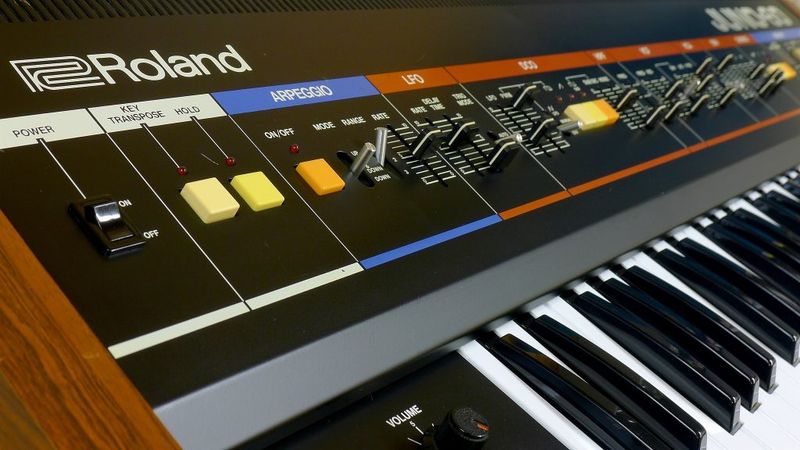
- The Roland Juno-60~£2343 used has earlier and later board revisions
- The Moog Minimoog Model D~£2711 used evolved throughout its production run
Ask the seller which revision, and verify it if possible.
Know the Common Problems
Every vintage synth has known issues. Research yours before viewing:
- Roland Juno-60~£2343 used — battery leak damaging the PCB, worn tact switches, failing BBD chips
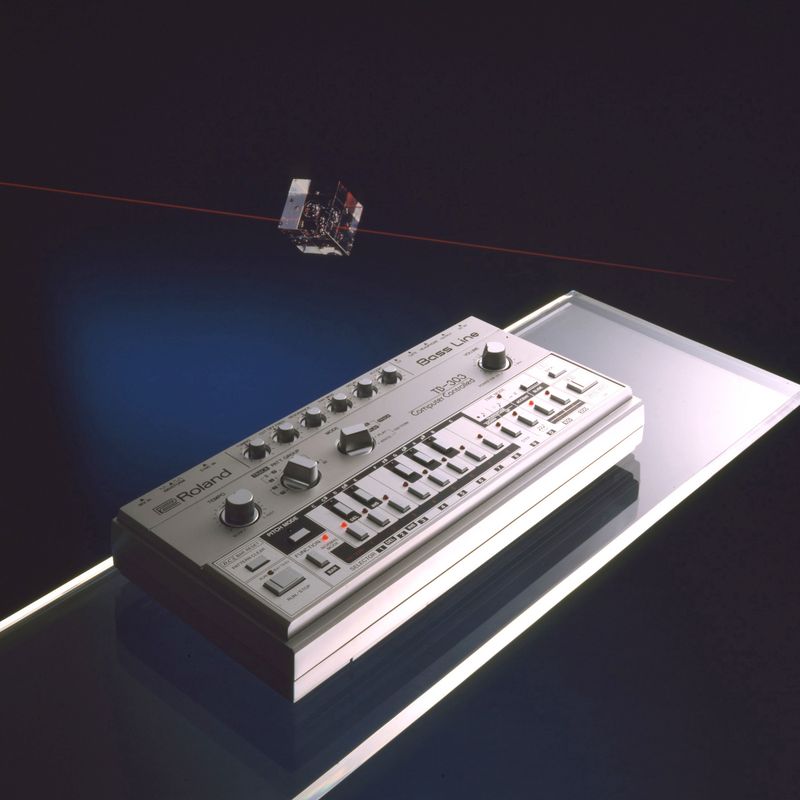
- Roland TB-303~£2328 used — dead batteries losing patterns, corroded battery compartments, dried-out filter capacitors
- Oberheim OB-8~£5060 used — failing CEM voice chips (increasingly hard to source), PSU recap needed on most examples
- Yamaha CS-80~£32044 used — virtually everything: failing voice boards, PSU issues, weight (100kg) makes shipping extremely risky
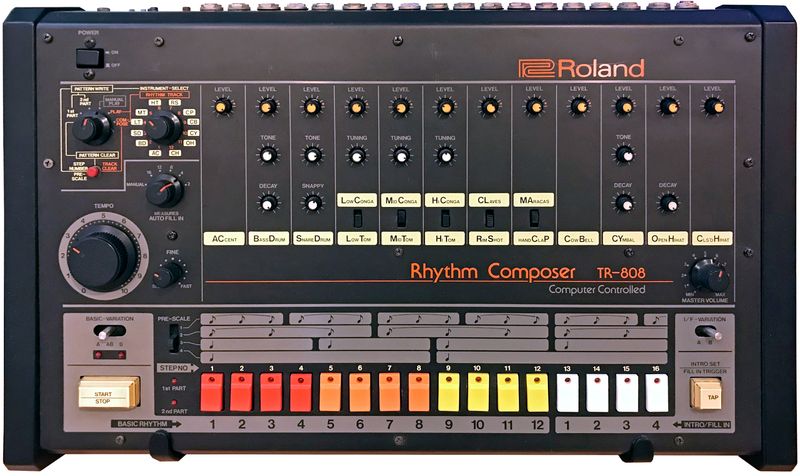
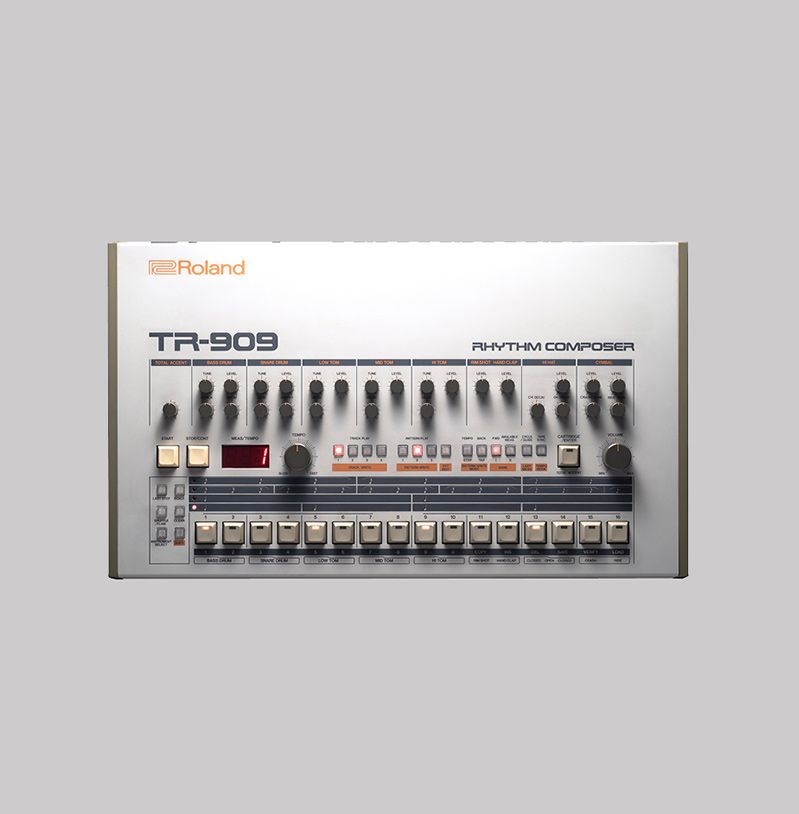
- Roland TR-808~£4319 used / Roland TR-909~£4155 used — failing switch contacts, battery damage, recap needed on older units
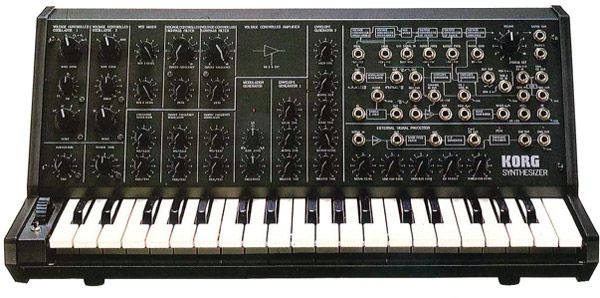
- Korg MS-20~£1305 used — keyboard contacts, aging patch cable sockets on older units
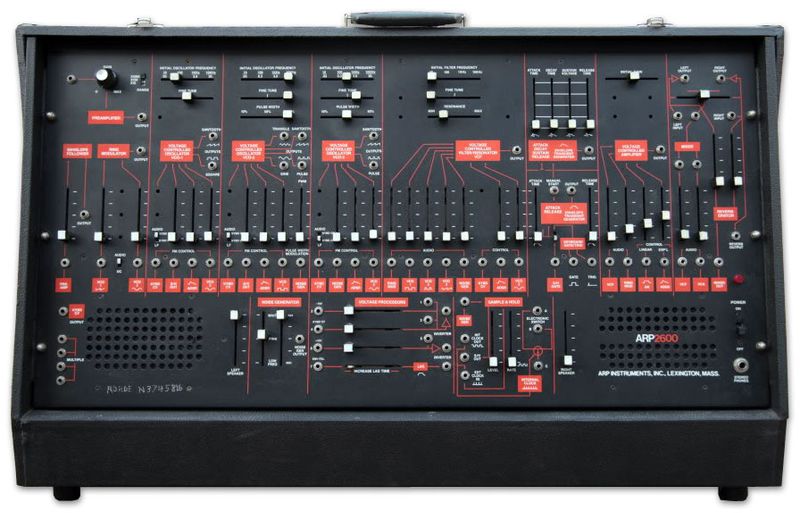
- ARP 2600~£6642 used — PSU failure is the most common and most serious issue; always ask for a PSU recap history
- Yamaha DX7~£619 used — membrane button failure, rubber key contacts degrading, battery for voice memory
The Physical Inspection
Exterior
- Case condition — Cracks, missing screws, replaced end cheeks, heavy scratches. Cosmetic damage affects resale but not function.
- Knobs and sliders — Are they original? Missing or replaced knobs suggest heavy use or previous repair.
- Connectors — Wiggle audio jacks and MIDI ports. Crackling or signal drops mean worn sockets.
Keys and Controls
- Play every key — Check velocity response (if applicable), listen for dead or stuck notes. Press hard and soft.
- Turn every knob — Listen for scratchy pots (crackling when turning). Some scratchiness is fixable with contact cleaner, but severe cases need pot replacement.
- Move every slider — Same as knobs. Check for smooth, consistent response.
- Test all buttons — Especially on machines with membrane switches (DX7, M1). Unresponsive buttons are common.
Sound Test
- Listen to every voice — On polysynths, play single notes and listen for voices that are out of tune, quieter, or tonally different. Some voice-to-voice variation is normal on analog synths; significant differences suggest failing components.
- Test the filter — Sweep the cutoff across its full range. Listen for stepping, crackling, or dead spots.
- Check tuning stability — Let the synth warm up for 15–20 minutes, then check if it holds pitch. Some drift is normal on older analog synths, but excessive drift suggests aging components.
- Test all outputs — Main stereo, individual outs, headphones. Try them all.
Memory and Storage
- Check preset recall — Can the synth save and load patches? Battery-backed memory is the most common failure point on vintage synths.
- Test the battery — Many vintage synths use internal batteries for memory. If patches are being lost when powered off, the battery needs replacing. This is usually a cheap fix but worth knowing about.
Red Flags
- "Sold as-is, no returns" — For expensive vintage gear, this is a major warning sign. Reputable sellers offer at least a short return window.
- No sound demos — If a seller won't provide audio or video of the synth working, ask why.
- "Just needs a service" — This could mean anything from a simple clean to thousands in repair costs. Get specifics.
- Modified units — MIDI retrofits, voice chip replacements, and PSU upgrades can be positive. But poorly done mods can cause problems and reduce collector value.
- Suspiciously low prices — If it's significantly below market value, there's usually a reason.
Where to Buy
- Reverb — Best selection of vintage synths, buyer protection, and you can see seller ratings and reviews
- eBay — Wider selection but more risk. Use buyer protection and pay via PayPal for additional coverage
- Local pickup — Always preferable for expensive vintage gear. You can inspect before paying and avoid shipping damage risks
- Specialist dealers — Higher prices but usually serviced, tested, and sold with a warranty
- Forums and communities — Gearspace, MuffWiggler, Reddit's r/synthesizers. Riskier but sometimes better prices
Buying Online and Shipping
Buying vintage synths online without seeing them first carries real risk, but it's often unavoidable for rarer instruments. Some precautions:
- Insist on a detailed video — Ask the seller to film a full demo: every key, every knob through its range, every output. Audio recorded into a DAW is better than phone audio.
- Check seller history — On Reverb and eBay, look at completed sales history, not just feedback score. Have they sold other vintage synths? Buyers who know the instruments are lower risk than general electronics resellers.
- Shipping for large instruments — For anything over 10kg (most polysynths, the Yamaha CS-80~£32044 used, the ARP 2600~£6642 used), specialist instrument couriers are worth the extra cost. Standard couriers frequently mishandle large parcels. Ask the seller how they plan to pack it — double-boxing with foam isolation is the minimum.
- Insurance — Declare the full value when shipping. Underinsuring to save on shipping costs is a false economy. If the instrument arrives damaged, you need full replacement value.
- EU/International imports — Factor in import duty and VAT on purchases from outside the UK. A good deal can become less attractive once customs charges are added.
After Purchase
- Get it serviced — Even if it's working, a professional service (cleaning pots, checking capacitors, replacing the battery) will extend its life significantly.
- Replace the battery — If it hasn't been done recently, do it now before it leaks and damages the PCB.
- Document everything — Note the serial number, board revision, and any modifications. Take photos of the internals.
- Insure it — Standard home insurance may not cover musical instruments adequately. Consider specialist instrument insurance.
Buying vintage synths requires more due diligence than buying new gear, but the rewards are real instruments with genuine character that hold (or increase) their value over time. Do your homework, inspect carefully, and enjoy owning a piece of music history.
Prices on all gear pages are based on recent sales data from Reverb. Averages can be affected by regional variations, condition, and product variants — use the search links for current listings.