Roland TB-303
Roland TB-303 Used Price Guide
Avg. used price: ~£2,328(based on recent Reverb sales)·What are these selling for? →

GearBook helps you research music gear prices. Compare sold prices across Reverb and eBay, see market trends, and find the best deals.
Try a price search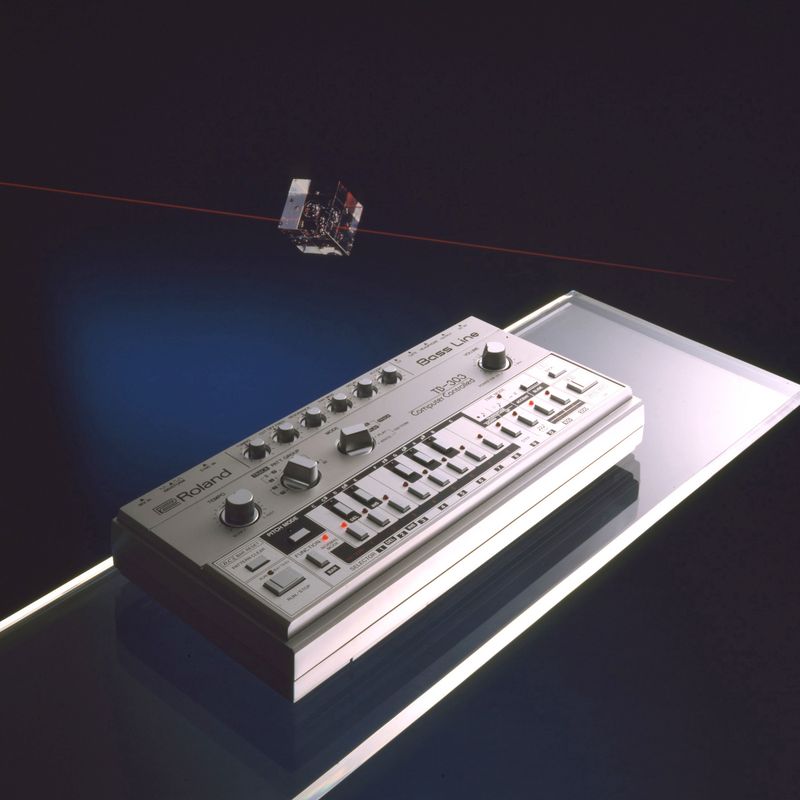
Roland TB-303 used prices at a glance
The Roland TB-303 typically sells for between £2,254 and £2,342 on the used market, with an average price of £2,328 based on recent Reverb sold listings. The Roland TB-303 is a premium piece of gear with strong resale value and is frequently traded on the used market. Prices have been stable over the last 30 days.
- Average used prices
- Latest sold listings
- Price trends over time
- Factors that affect resale value
If you're buying or selling a Roland TB-303, this gives you a realistic view of what it actually sells for today.
Low
£2,254
Average
£2,328
High
£2,342
- Average Used Price
- £2,328
- Typical Range
- £2,254 – £2,342
- Last Sold Price
- £2,328
- Trend
- stable
- Most Recent Sale
- 6 days ago
Is the Roland TB-303 holding its value?
Used Roland TB-303 prices have been stable over the last 30 days, hovering around £2,328. That points to steady demand without dramatic supply changes — the kind of pattern that tends to hold over multiple quarters. Boxed, mint units still sell at the top of the range; rougher examples can sit £30-£60 below the average.
Units in better condition or with original packaging tend to sell at the higher end of the range, while heavily used examples sell for less.
Demand for the Roland TB-303 remains strong among synth enthusiasts and producers, which helps support its resale value.
The Roland TB-303 Bass Line was released in 1982 as an accompaniment tool for solo guitarists and keyboardists. Designed by Tadao Kikumoto (who also created the TR-909), it features a single oscillator, distinctive resonant filter, and built-in step sequencer intended to simulate bass guitar patterns.
History
The TB-303 was a commercial failure at launch. Guitarists found its bass simulations unconvincing, and Roland discontinued production after just 18 months, having built approximately 10,000 units. Unsold stock sat in music shops for years, often selling for under $100.
Everything changed in the late 1980s when Chicago and Detroit musicians discovered that manipulating the filter resonance and accent controls during playback created entirely new sounds—the squelching, screaming tones that would define acid house. Phuture's "Acid Tracks" (1987) launched the movement, built entirely around the TB-303's unexpected capabilities. The machine transformed from commercial failure to one of the most influential electronic instruments ever made.
Sound Character
The TB-303's sound centres on its single VCO (switchable between sawtooth and square waves) and its unique 3-pole 18dB/octave resonant low-pass filter. This unusual filter topology is a key part of what gives the 303 its distinctive character — most synths use 2-pole or 4-pole designs. When resonance is increased, the filter begins to self-oscillate, creating the aggressive, squelchy tones synonymous with acid music.
The accent function adds emphasis to specific steps, further opening the filter and adding bite. The slide function creates smooth portamento between notes. Combined with real-time filter manipulation, even simple patterns become hypnotic and evolving. Many classic acid lines emerged from programming mistakes—the unintuitive two-stage sequencer workflow (entering pitch data separately from timing data) encouraged happy accidents.
Sequencer
The sequencer stores 64 patterns across seven groups plus a track mode, with 16 steps per pattern. Programming requires entering pitches first, then adding timing, accents, and slides in a separate pass. This workflow, while frustrating for its intended bass accompaniment purpose, proved perfect for the repetitive, evolving patterns of electronic dance music.
Who Is This For?
Original TB-303s suit collectors, museums, and studios requiring the authentic hardware experience with all its quirks. However, extreme prices mean most producers choose modern alternatives. The Behringer TD-3 offers remarkable accuracy at under $150. For the sound without the investment or maintenance concerns, software emulations provide identical results in a mix. The TB-303 remains essential listening for understanding acid house history, but owning an original is no longer necessary to achieve the sound.
Legacy
The TB-303 defined acid house, influenced techno, and continues to shape electronic music. It spawned countless hardware clones and software emulations, and its signature sound remains instantly recognisable decades later.
Watch the comparison Short
Roland TB-303 compared with another piece of gear
Videos
Frequently Asked Questions
Specifications
| Year Released | 1982 |
| Year Discontinued | 1984 |
| Production Run | 18 months, ~10,000 units |
| Oscillator | Single VCO (sawtooth or square wave) |
| Filter | 3-pole 18dB/octave low-pass with resonance |
| Sequencer | 16-step, up to 64 patterns |
| Controls | Accent, slide (portamento), cutoff, resonance, envelope mod, decay |
| Sync | DIN Sync (Sync24) |
| Designer | Tadao Kikumoto |
Resources
Looking to Buy Used?
Browse current listings on Reverb and eBay to find deals.
Featured In
Which Synths Hold Their Value Best?
featuresHow Detroit Techno Was Made With $200 of Gear
featuresHow Acid House Changed Music: The Story of the TB-303 and TR-909
Buying GuidesBuying Vintage Synths: What to Check Before You Buy
featuresThe 10 Most Expensive Synths Ever Sold
featuresThe History of Sequencers: From Punched Paper to Parameter Locks
Related Gear
More from Roland
Specs and prices are for reference only and may be outdated or contain errors. See full disclaimer. Affiliate links may earn commission.