Some synthesizers have become worth more than cars. Scarcity, cultural significance, and the irreplaceable character of vintage analog circuits have pushed certain instruments into eye-watering price territory. Here are ten of the most expensive synths that have changed hands on the used market.
Prices are approximate and based on recent sold listings at the time of writing. The vintage synth market fluctuates — use GearBook to check current prices.
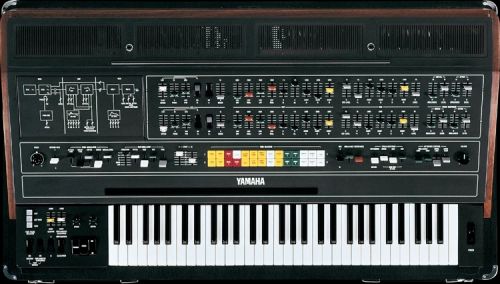
1. Yamaha CS-80~£32044 used — Up to $45,000+ / £35,000+
The Yamaha CS-80 is the holy grail for many synth collectors. Weighing over 100kg and featuring polyphonic aftertouch decades before it became common, the CS-80 defined the sound of Vangelis and Blade Runner. Fewer than 800 were produced before Yamaha ceased production in 1980, and working examples rarely come up for sale. When they do, expect five figures.
Why so expensive: Extremely low production numbers, iconic sound, massive cultural significance, and the weight makes them fragile to ship — many haven't survived.
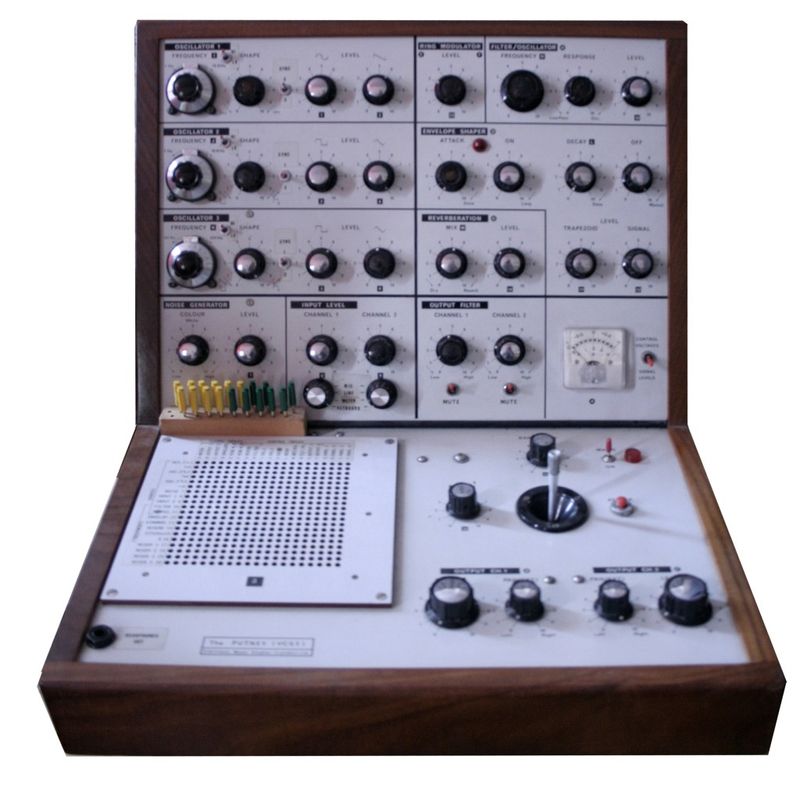
2. EMS VCS3 — Up to $38,000+ / £30,000+
The EMS VCS3 (also known as "The Putney") was a British semi-modular synth from 1969 that appeared on records by Pink Floyd, The Who, and Brian Eno. Its pin-matrix patching system and unpredictable character made it a favourite for experimental music. Very few survive in working condition.
Why so expensive: 1960s rarity, iconic associations, unique sound that no clone has fully captured.
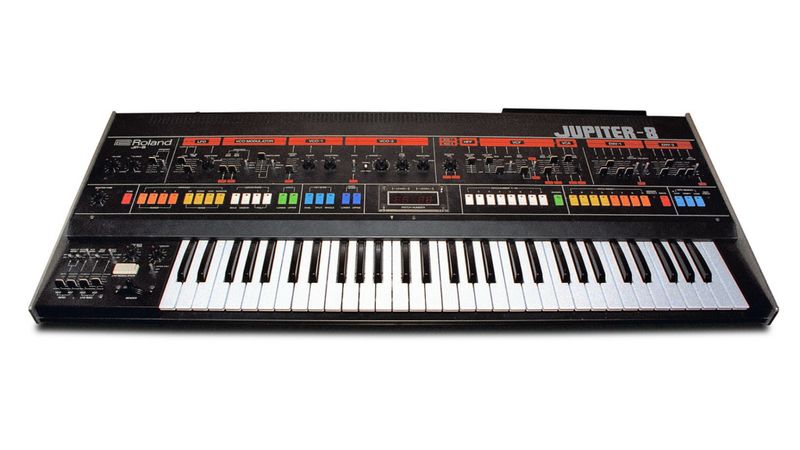
3. Roland Jupiter-8 — Up to $20,000+ / £15,000+
Roland's flagship polysynth from 1981 offered eight voices of lush analog sound with a flexibility that few competitors matched. Its pads and strings are the sound of 1980s pop. With around 3,300 made, clean examples have become increasingly rare.
Why so expensive: Limited production, the definitive 80s polysynth sound, stunning build quality that holds up.
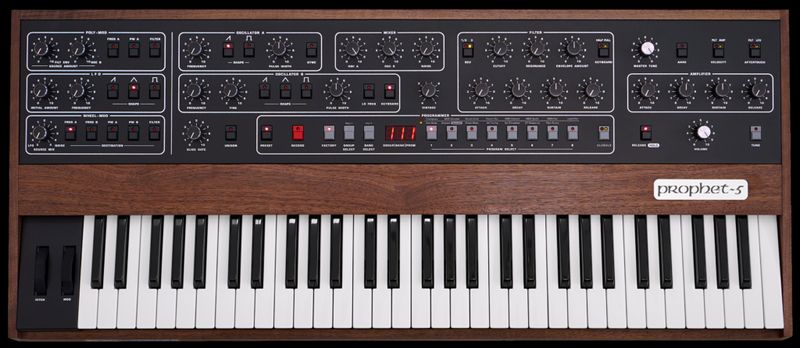
4. Sequential Prophet-5~£4034 used — Up to $15,000+ / £12,000+ (vintage)
The first fully programmable polysynth changed everything when it arrived in 1978. Vintage Rev 1 and Rev 2 units with the original SSM chips are the most prized, though Rev 3 units with Curtis chips are more reliable. The 2020 Rev 4 reissue is readily available new, but original units have their own collector market.
Why so expensive: Historical importance, distinct sonic differences between revisions, genuine rarity for early models.
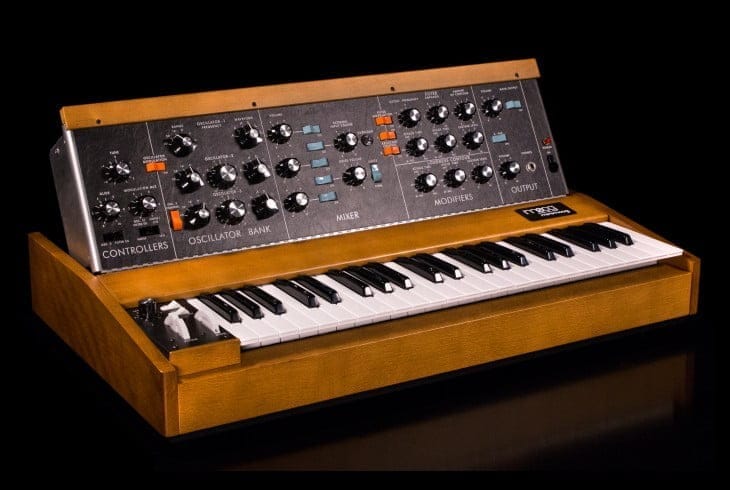
5. Moog Minimoog Model D~£2711 used — Up to $12,000+ / £10,000+
The Minimoog Model D defined the sound of the monosynth. From 1970 to 1981, Moog built around 13,000 units, and its fat, warm bass and screaming leads became the benchmark for every synth that followed. Moog reissued it in 2016 and again in 2022, but vintage originals — especially early serial numbers — command serious money.
Why so expensive: The most iconic synth ever made. Early models with different filter revisions are especially sought after.
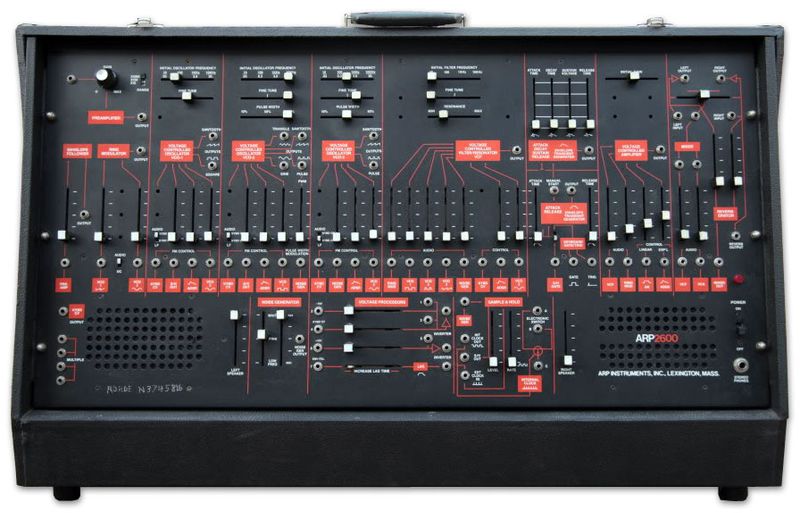
6. ARP 2600~£6642 used — Up to $12,000+ / £10,000+
The ARP 2600 is a semi-modular classic that needs no patch cables to make sound — everything is pre-wired but overridable. Used by Stevie Wonder, Herbie Hancock, Joe Zawinul, and countless film composers (it created the voice of R2-D2), the 2600 is one of the most versatile vintage synths ever made. Korg released a faithful reissue in 2020, but original units — particularly early "blue Marvin" and grey models with the original Moog-style filter — still command premium prices.
Why so expensive: Legendary versatility, pop culture significance, dwindling supply of working originals.
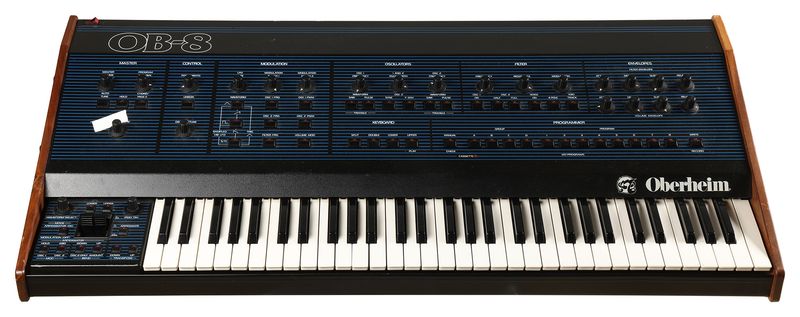
7. Oberheim OB-8~£5060 used — Up to $12,000+ / £10,000+
The OB-8 was the most refined of Oberheim's classic OB series, and its lush pads defined synth-pop. With approximately 3,000 units made, it's the rarest of the main OB line. Prince, Depeche Mode, and Rush all used it extensively.
Why so expensive: Limited production, the most reliable OB series synth, massive warm sound that's hard to replicate.
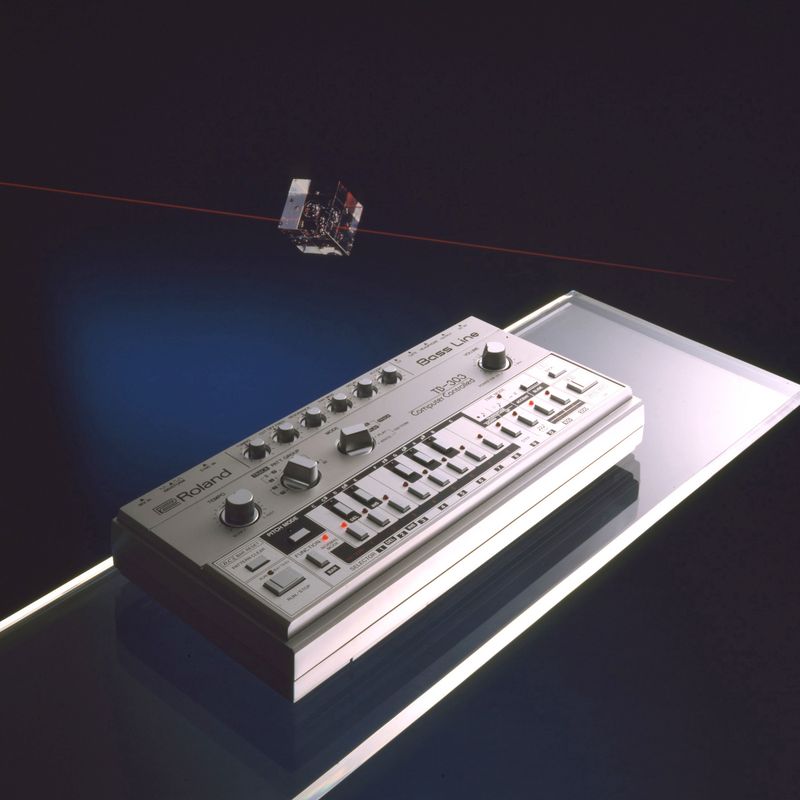
8. Roland TB-303~£2328 used — Up to $10,000+ / £8,000+
A commercial failure that became a cultural phenomenon. Only 10,000 TB-303s were made in an 18-month production run, and they single-handedly created acid house music. The squelchy, resonant filter sound is instantly recognisable and endlessly imitated but never quite duplicated.
Why so expensive: Defined an entire genre, very low production numbers, unique analog filter character.
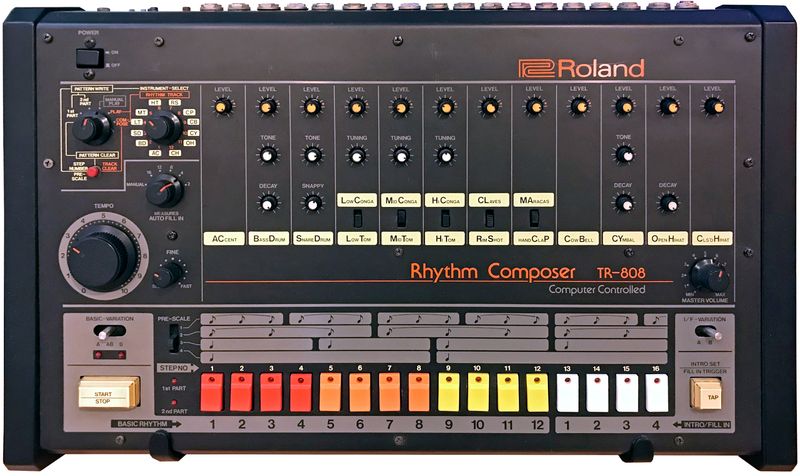
9. Roland TR-808~£4319 used — Up to $7,500+ / £6,000+
The 808's booming kick drum is the most sampled sound in music history. Like the TB-303, it was a commercial failure — around 12,000 units built — that found its calling in hip-hop, electro, and house. Working originals are increasingly hard to find.
Why so expensive: Cultural significance across multiple genres, limited production, analog circuits that can't be exactly replicated.
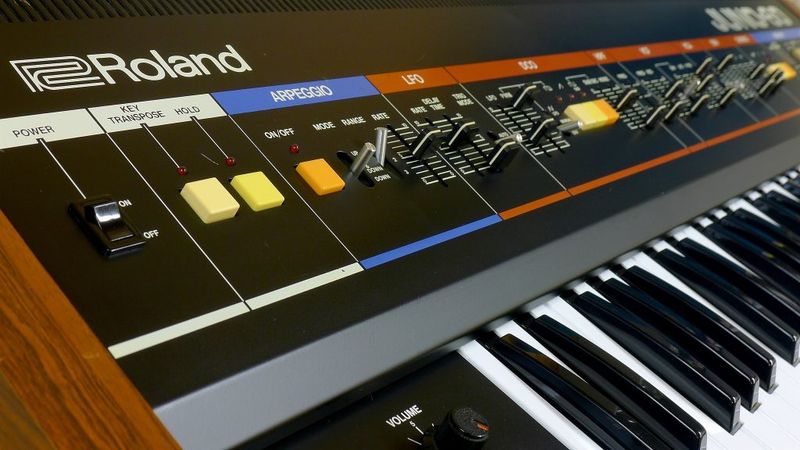
10. Roland Juno-60~£2343 used — Up to $5,000+ / £4,000+
The Juno-60 might seem modest alongside the others on this list, but prices have climbed steadily. Its chorus effect is one of the most imitated sounds in music production, and the simple interface makes it immediately playable. Roland made more Junos than most synths on this list, but demand has outpaced supply.
Why so expensive: The chorus. That's it, really. Plus an interface anyone can learn in five minutes and a sound that sits perfectly in any mix.
From Bargain Bins to Five Figures
What's striking about this list is that most of these instruments weren't expensive when they were new. The TB-303 and TR-808 were commercial failures that sat unsold for years. The Minimoog was a professional tool, not a luxury item. The Juno-60 was Roland's affordable polysynth. Even the CS-80 and Jupiter-8, while premium at launch, weren't priced anywhere near what they command today.
These synths became expensive through a combination of dwindling supply, cultural mythology, and the simple reality that analog circuits age and fail. Every year there are fewer working originals, while demand from collectors, studios, and musicians only grows. The prices on this list aren't what the manufacturers intended — they're what happens when scarcity meets desire.
But Some Synths Just Start Expensive
Not every expensive synthesizer earned its price tag through decades of appreciation. Some are built from the ground up as premium, uncompromising instruments — and priced accordingly from day one.
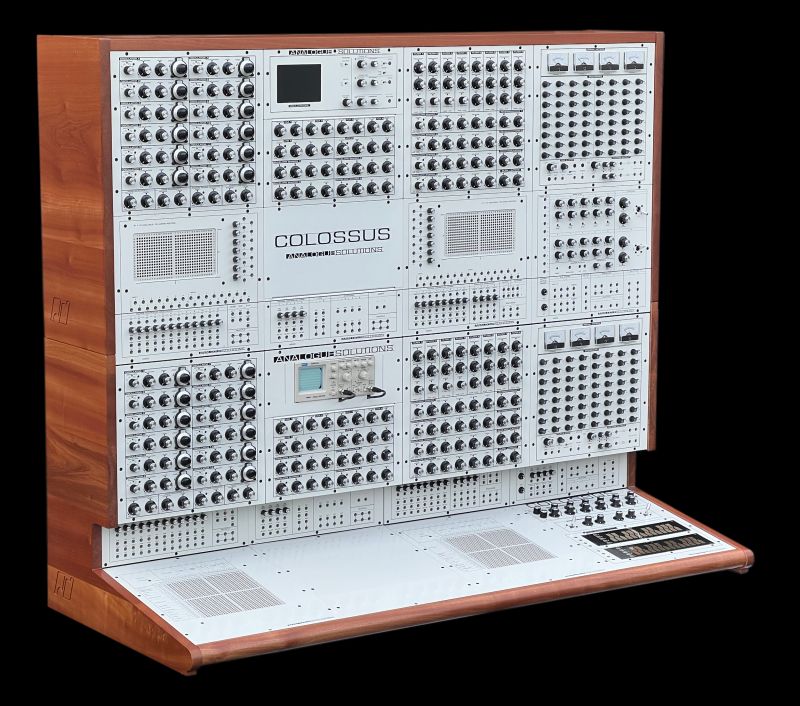
Analogue Solutions Colossus — $34,000 / £27,000
The Colossus is a hand-built British monster inspired by the 1970s EMS Synthi 100. Twelve analog VCOs, four multimode filters, four additional low-pass filters, twin broadcast-quality pin matrix panels, a 32-step analog sequencer, spring reverbs, ring modulators, an oscilloscope, and a joystick controller — all packed into a unit over 1.5 metres wide. At £27,000 before shipping and tax, it's more expensive than most vintage synths on this list, but everything is new, warranted, and built to order. This isn't scarcity pricing — it's the cost of hand-building a no-compromise analog instrument in 2026.
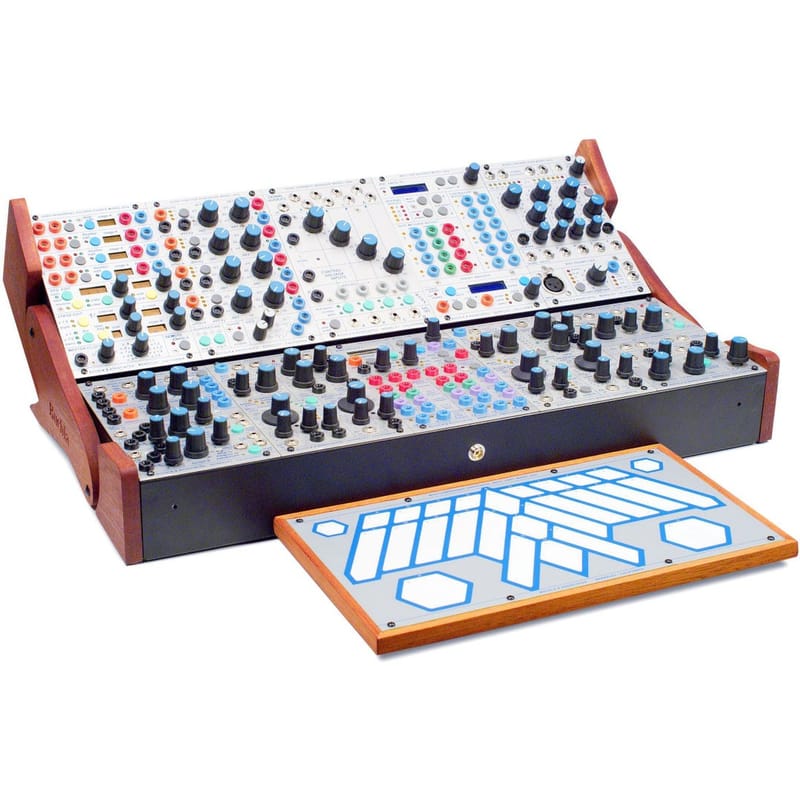
Buchla Skylab~£8948 used — $15,000 / £12,000
Don Buchla's approach to synthesis has always prioritised exploration over convention. The Skylab is a 10-module system from the Buchla 200e series — a portable modular synth that folds into an airline-carry-on case with patch cables still connected. Buchla instruments have never been cheap, and the Skylab continues that tradition. The price reflects the esoteric design philosophy, small-batch manufacturing, and a sound that's genuinely unlike anything else in synthesis.
These instruments prove that the era of expensive hardware synthesis isn't just a vintage phenomenon. While the synths in our top 10 became costly through history and accident, the Colossus and Skylab are expensive by design — and for musicians who want the ultimate hands-on analog experience, the price is the cost of admission.
The Practical Alternative
For every vintage synth on this list, affordable alternatives exist. The Behringer TD-3~£71 used faithfully clones the TB-303 for under $150 / £120. Software emulations of the Yamaha CS-80~£32044 used, Sequential Prophet-5~£4034 used, and Moog Minimoog Model D~£2711 used are remarkably accurate — plugins like u-he Diva and the Arturia V Collection 11 put these classic sounds within reach of anyone. The sound is more accessible than ever — but the experience of owning and playing the original hardware, whether vintage or modern, remains something money can't easily replicate.