Not all gear is created equal when it comes to resale. Some synthesizers lose three-quarters of their value within a decade. Others appreciate so dramatically that they outperform the stock market. Based on used market data and price guide reports, here's what the numbers actually say.
How Value Retention Works
Value retention is simple: what percentage of the purchase price does a piece of gear typically return on the used market?
Most new gear drops 20–30% the moment it's sold. The question is what happens after that. Some instruments stabilise near their purchase price; some slide toward single-digit percentages; a small number climb continuously to multiples of their original retail price. Understanding which category a piece of gear falls into — and why — is more useful than any specific number.
The Appreciators: Gear That Beats Its Original Price
A handful of instruments have so dramatically exceeded their original retail prices that the comparison becomes almost meaningless.
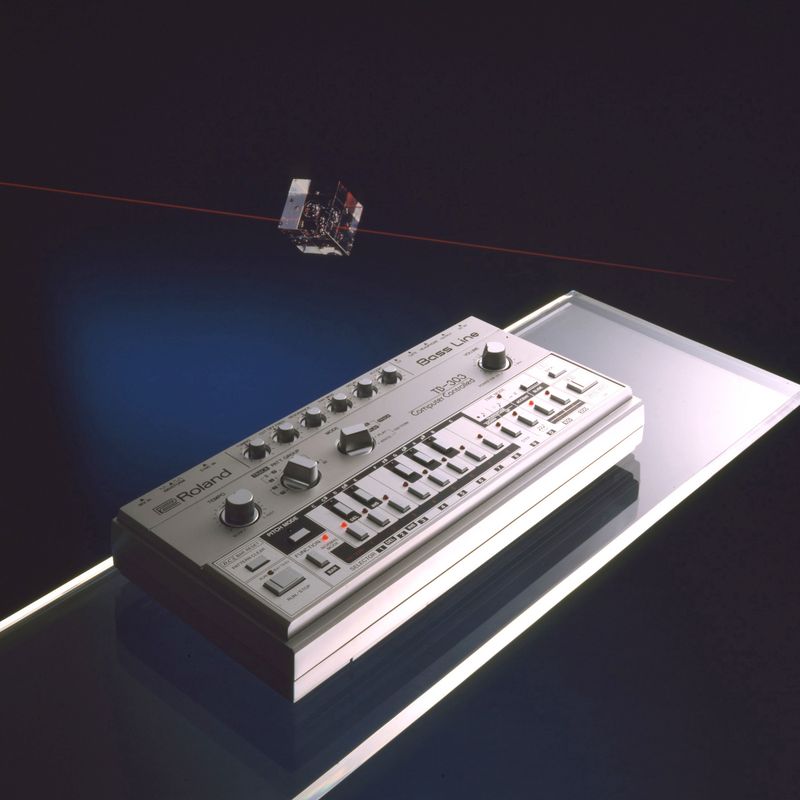
Roland TB-303~£2263 used retailed at $395 in 1981. Secondhand units today sell for $1,200 to $3,500 depending on condition — modified examples command more. The machine was a commercial failure that ended up in pawnshops for $100. Acid house gave it cultural significance that no marketing department could have manufactured, and its appreciation since is the most extreme example of genre-driven value creation in synthesizer history.
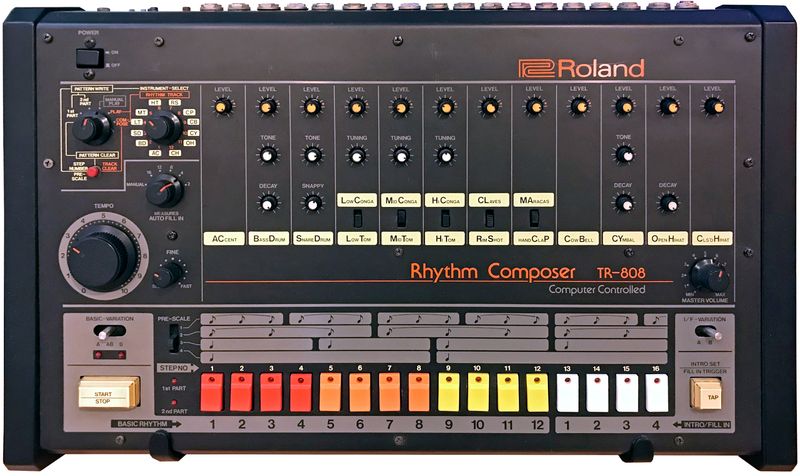
Roland TR-808~£4332 used retailed at $1,195 in 1980. Working units now sell for $3,500–$4,000; pristine examples have been listed above $10,000. Hip-hop, R&B, and trap music embedded it so deeply in popular culture that owning one carries cultural weight entirely separate from its function as a drum machine.
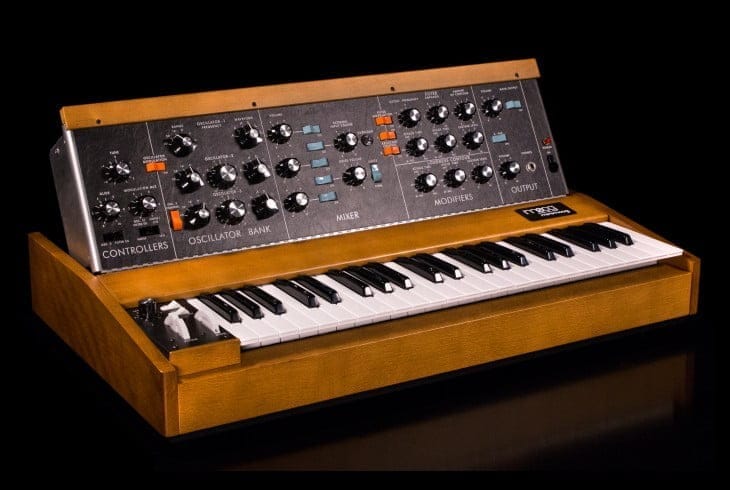
Moog Minimoog Model D~£3399 used originally retailed at $1,595 in the 1970s. Vintage examples now sell for $4,000–$8,000, with mint-condition units in the upper part of that range and beyond. The 2016 reissue sold new for $3,249; original vintage units regularly exceed that figure. According to multiple dealers, the Minimoog has never experienced a sustained decline in value.
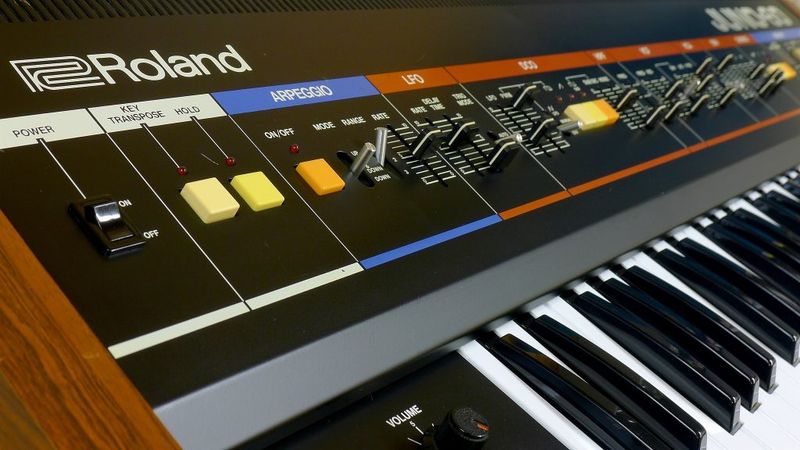
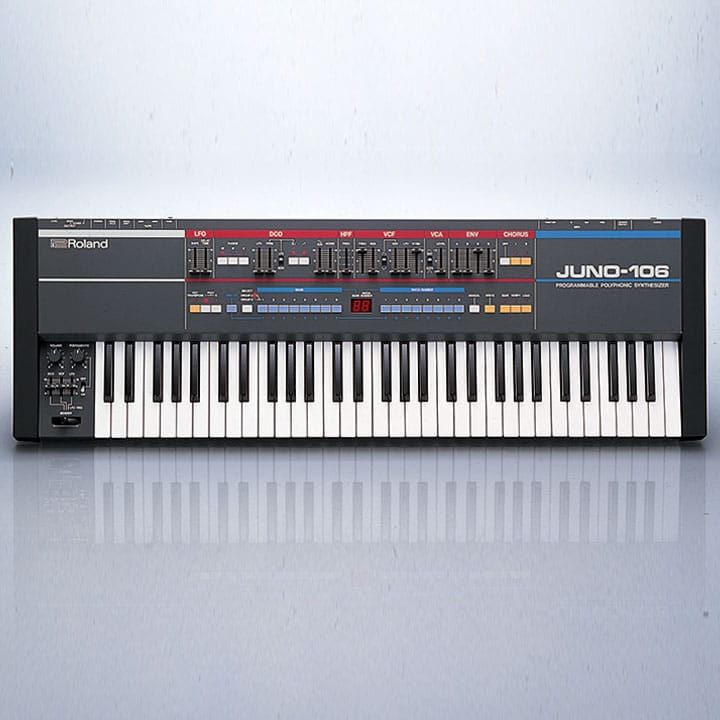
The Roland Juno series — Juno-6, Roland Juno-60~£2330 used, and Roland Juno-106~£1359 used — is a more recent appreciation story. Reverb data shows prices have risen essentially every year for the past five years. Juno-106 units that surprised buyers when they crossed $800 now clear $1,400 for clean examples; the Juno-60 commands more.
These instruments share one characteristic: they became culturally significant after being commercially available, which means early buyers captured appreciation that couldn't have been predicted at the time of purchase.
Modern Gear That Holds Its Value
Cultural appreciation on that scale is a historical exception. But some current-production gear holds value unusually well by normal standards.
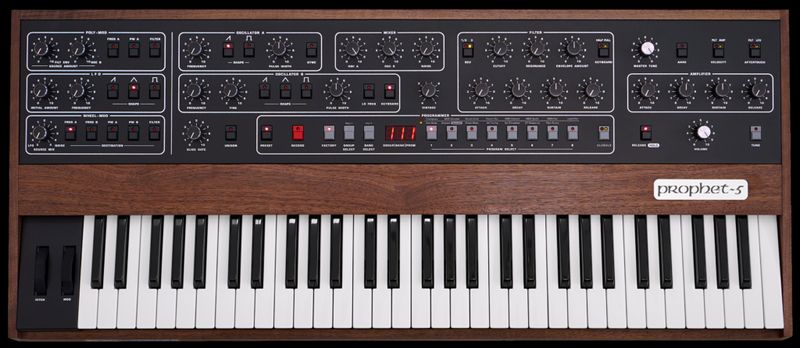
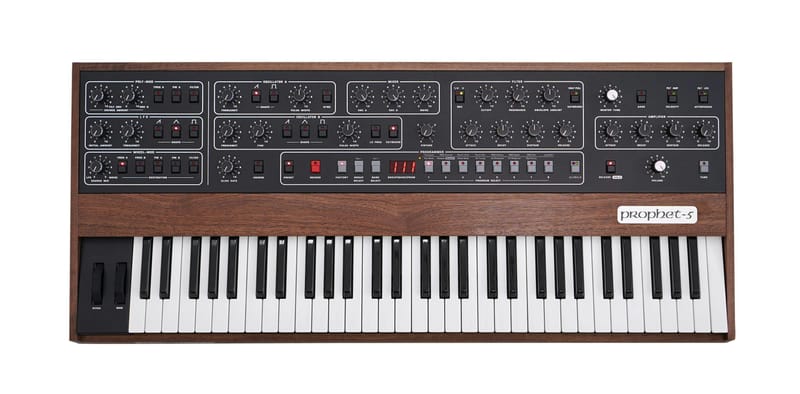
Sequential instruments — the Sequential Prophet-5~£4015 used, Sequential Prophet-6~£1842 used, and Sequential OB-6~£1445 used — consistently sell used at prices close to retail. The Prophet-5 Rev4, which retails around $3,700, typically trades at $3,500–$4,500 secondhand, depending on condition. High-end analogue from respected manufacturers with slow product cycles holds value because there's no imminent replacement and no digital obsolescence risk.
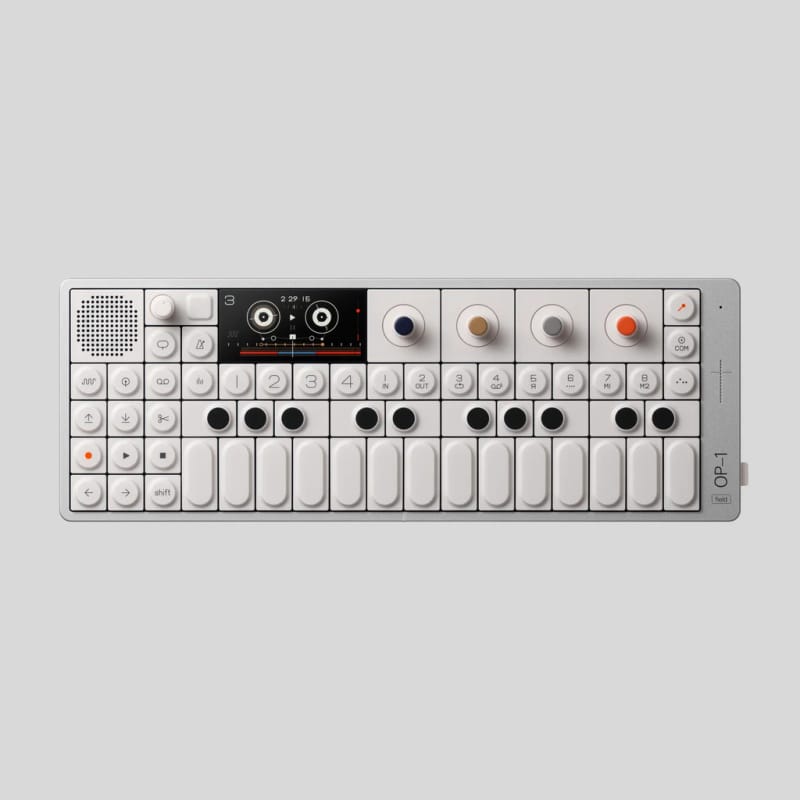
The Teenage Engineering OP-1~£582 used is a different case. Described by collectors as holding value "like a blue chip stock," used original OP-1 units trade close to their retail price, and during a 2018 discontinuation rumour, used prices temporarily exceeded triple retail. The OP-1's combination of unique functionality, strong community, and unpredictable availability makes it unusually resistant to normal depreciation.
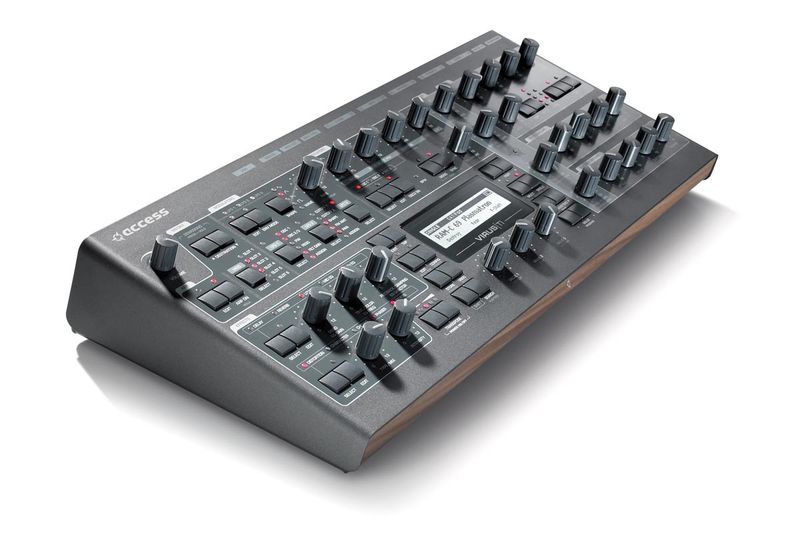
The Access Virus TI2 Desktop~£959 used, discontinued by Access in 2024, has climbed above its original retail price since discontinuation. Its specialist appeal — tight software integration that no current synthesizer replicates — combined with a finite supply has pushed prices above what buyers paid new.
The Depreciators: Gear That Loses Most of Its Value
At the other end, some of the best-selling instruments in music history have depreciated dramatically.
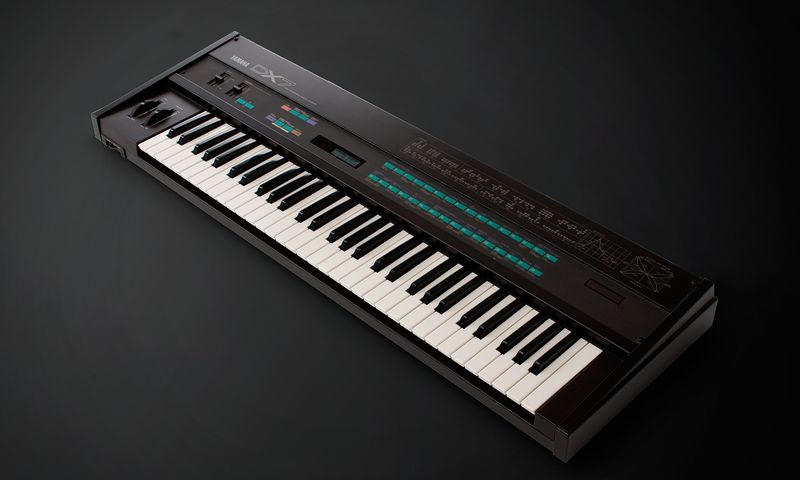
Yamaha DX7~£522 used retailed at $1,995 in 1983. Today, a functional DX7 typically sells for $300–$500 — approximately 75% depreciation from its original price over 40 years, compared to consumer inflation of around 200% in the same period. More than 200,000 units were made, the market is saturated, and FM synthesis fell out of fashion before recovering interest recently. The combination of mass production and changing taste is a reliable recipe for depreciation.
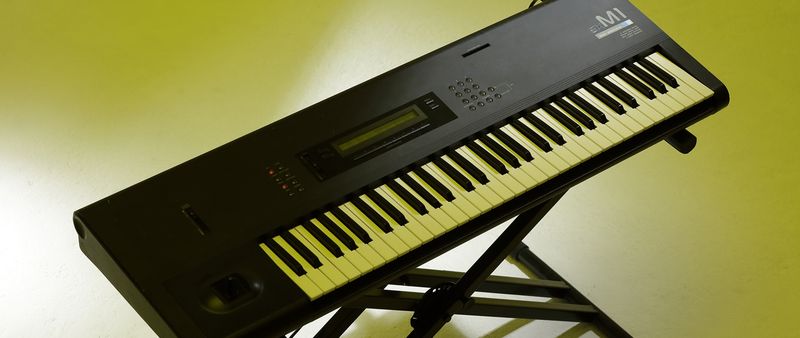
The Korg M1~£424 used tells a similar story. 250,000 units were manufactured — more than almost any other synthesizer. Original UK retail was £1,499; today a typical unit sells for $150–$250, roughly 85–90% below original purchase price in nominal terms. Mass production is the single most reliable predictor of long-term depreciation.
Digital workstations as a category — Yamaha Motif, Roland Fantom, Korg Triton — tend to follow the same pattern. Forum discussions are consistent on this point: buyers who paid full retail for flagship workstations in the 2000s typically recovered a small fraction. High initial production volumes, regular successor releases, and the dated-feeling user interfaces of digital hardware from that era all compound depreciation.
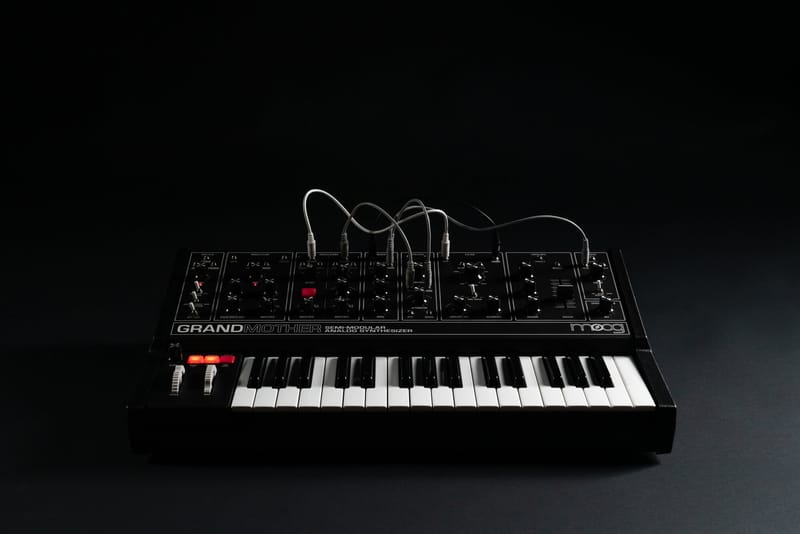
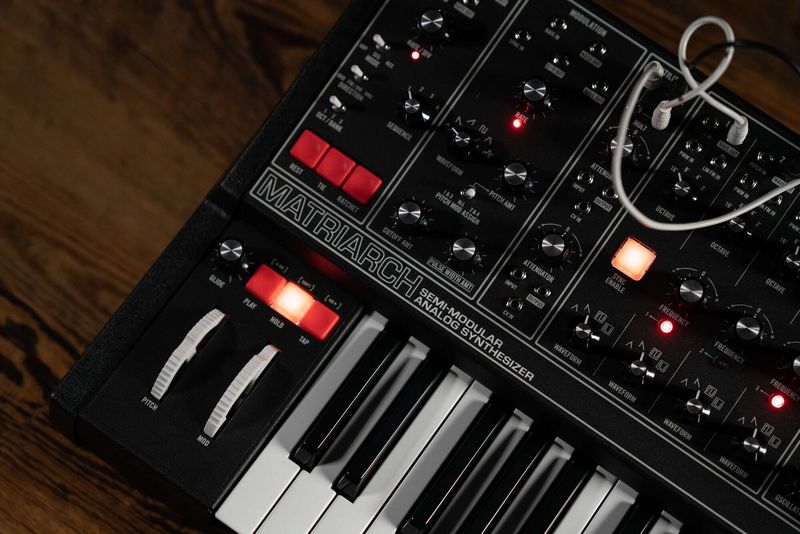
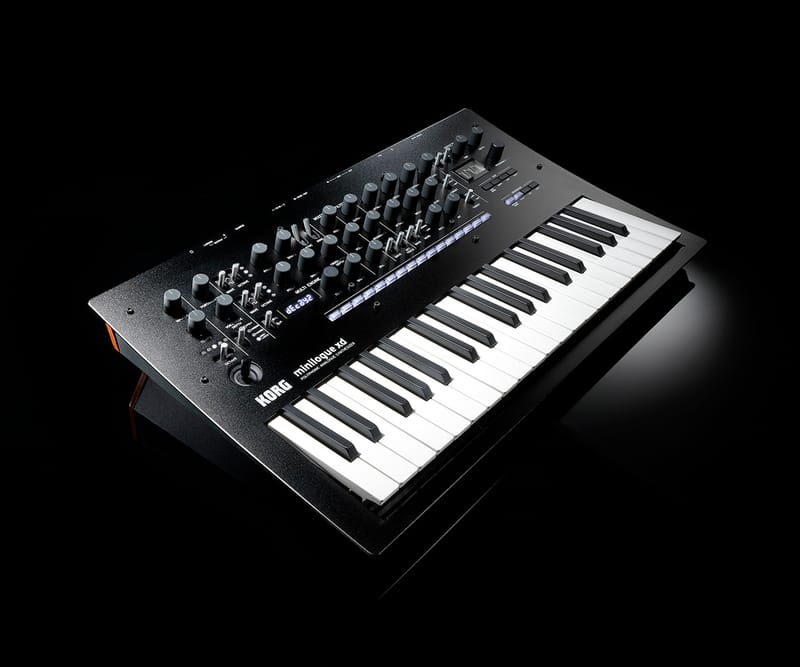
Modern budget analogue synths face a related problem. The Korg Minilogue dropped roughly 30% when the Korg Minilogue XD~£352 used launched. The Moog Grandmother~£612 used fell toward used prices in the $600 range following the Moog Matriarch~£1288 used release. When a manufacturer has a history of updating a product line, buyers price in that risk.
What Drives These Outcomes
Production volume. This is the clearest predictor. High-volume instruments — DX7, M1, most digital workstations — have abundant used supply and therefore low prices. Limited runs or low-volume production gives instruments scarcity that sustains price.
Analogue versus digital. Analogue instruments hold value better than digital equivalents as a general rule. Digital gear can become functionally obsolete — dependent on drivers, software support, or manufacturer infrastructure that eventually disappears. An analogue circuit works the same way in 50 years as it does today.
Successor and replacement effects. When a manufacturer announces a successor model, the predecessor typically drops 20–40%. Buyers who want the latest version sell the previous one; buyers who want the previous version know they can wait for prices to fall further. Gear from manufacturers with slow or infrequent update cycles — Moog, Sequential, most boutique builders — holds value better because this dynamic is less severe.
Cultural relevance. The TB-303 and TR-808 appreciation stories are extreme versions of a general principle: instruments that become associated with important music genres acquire cultural value that compounds their scarcity value. This is almost impossible to predict in advance and shouldn't factor into purchase decisions — but it explains why instruments that failed commercially sometimes appreciate most dramatically.
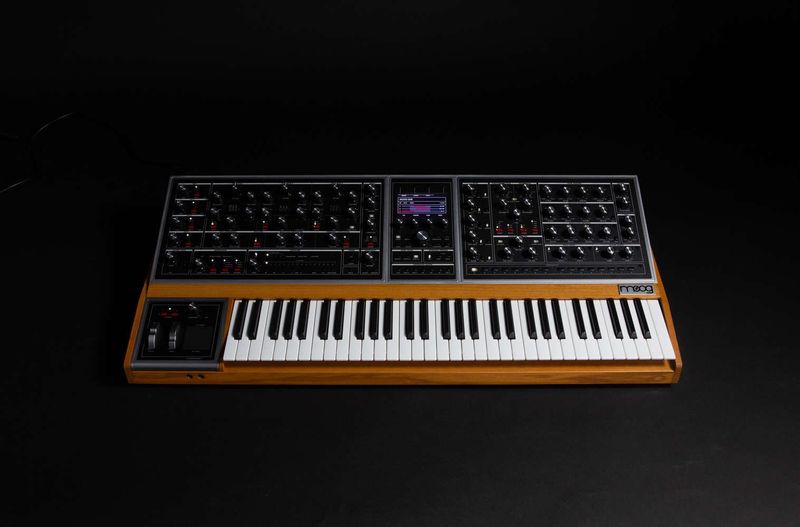
Discontinuation. Confirmed end-of-life announcements reliably push used prices up. The Moog One~£5216 used, discontinued in 2024, is expected to follow this pattern. The Access Virus TI2 already has. Discontinued instruments have finite supply, and if demand remains, prices will rise.
What This Means When Buying
If resale value matters, the practical guidance from the data is straightforward.
Avoid mass-market digital instruments in competitive categories. Budget synthesizers, digital workstations, and instruments from manufacturers with frequent update cycles lose value fastest. Buy them for the instrument, not as a store of value.
High-end analogue from established manufacturers holds better. A flagship Sequential or Moog synthesizer will sell used for closer to what you paid than a Korg mid-range workstation from the same era. The premium price partially reflects the premium resale.
Vintage instruments with proven cultural significance are a different calculation entirely. The TB-303 and TR-808 are now collector's objects as much as instruments. Their appreciation has almost no relationship to their utility as production tools. If you want to make acid music, a software emulation will cost you £99. If you want the specific cultural object — that's a separate decision with a different price tag.
The honest reality is that most gear depreciates. The goal for most buyers is choosing instruments that lose value slowly rather than quickly — and the analogue/volume/manufacturer-cycle factors above are the most reliable guides to which those are.
A Final Thought
Buying gear as an investment is largely a lottery. You can edge the odds slightly — analogue over digital, low volume over mass market, slow-cycle manufacturers over rapid updaters — but the instruments that appreciated most dramatically were bought by people with no such calculation in mind. The producers who paid $395 for a TB-303 or $1,195 for a TR-808 bought them because they were affordable tools, used them until they wore out or moved on, and in many cases sold them for $100 when the next thing came along. Nobody bought a TR-808 in 1982 as a hedge against inflation.
The instruments that depreciated worst were bought by working musicians who made records with them, toured with them, and got years of use out of them. A Yamaha DX7 that cost $1,995 in 1983 and is worth $400 today was still a reasonable purchase if it earned its keep. The calculation that matters is whether the instrument served the person who owned it — not what it would fetch on Reverb forty years later.
Value retention data is worth knowing when two instruments do similar things and you're choosing between them. It's worth almost nothing as a primary motivation for buying. The best reason to buy a synthesizer has always been that you want to make music with it, or that it does something that genuinely excites you, or simply that you find it beautiful and want to own it. Those motivations have driven more worthwhile music than any calculation about residual value ever has — and they tend to make you a better judge of what's actually worth your money.