Each month we pull sold price data from Reverb across the gear we track on GearBook and look at what's moving. This isn't a survey of the entire used market — it's a snapshot of the instruments and pedals we have price history for, covering roughly 240 pages of hardware. Think of it as a useful signal rather than a definitive index.
All figures are based on average sold prices captured from Reverb using a consistent monthly methodology. Percentage changes compare the oldest available snapshot to the most recent, typically spanning 6–12 months. Because the same approach is applied each month, trend direction is more reliable than any single absolute figure — variants, condition mix, and sample size all affect averages. See the Reading This Data section below for full caveats.
What's Rising
A handful of instruments have seen meaningful price increases over the past year — driven by a mix of demand, supply constraints, and cultural moment.
Mutable Instruments Plaits~£231 used — up 9.0%
The biggest mover in our dataset. Mutable Instruments stopped manufacturing modules in 2022, and prices on their most popular designs have been climbing steadily since. Plaits remains one of the most versatile macro-oscillators available, and the combination of scarcity and enduring demand has pushed used prices up from around £221 to £241 over the past year.
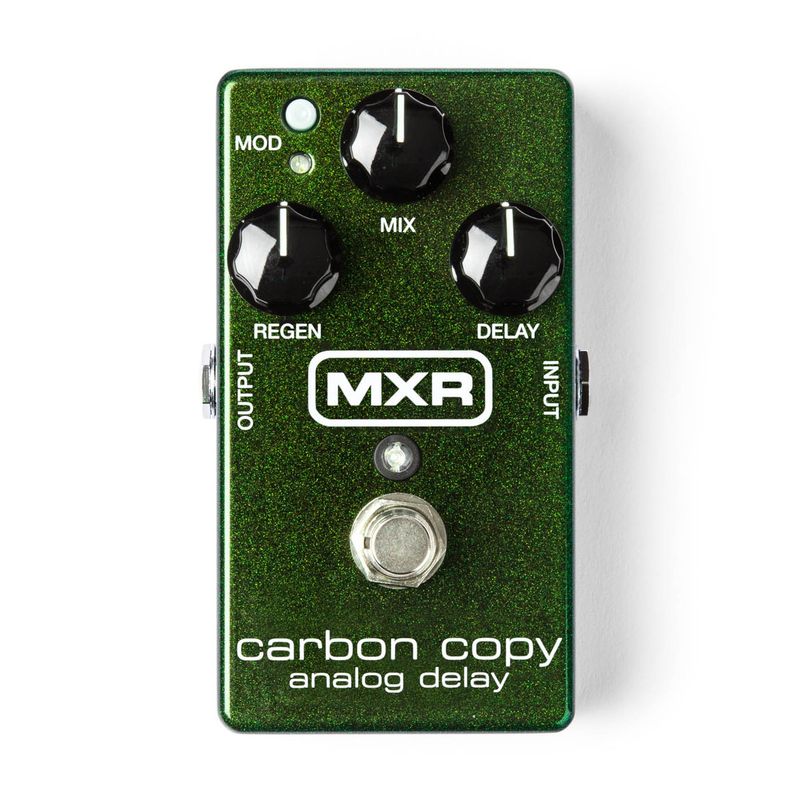
MXR Carbon Copy~£71 used — up 7.7%
Average sold price has climbed from around £78 to £84 over the past 12 months. The Carbon Copy's reputation as the go-to analog delay pedal for players who want warmth without fuss hasn't diminished — and with MXR's consistent quality control, used examples in good condition are snapped up quickly.
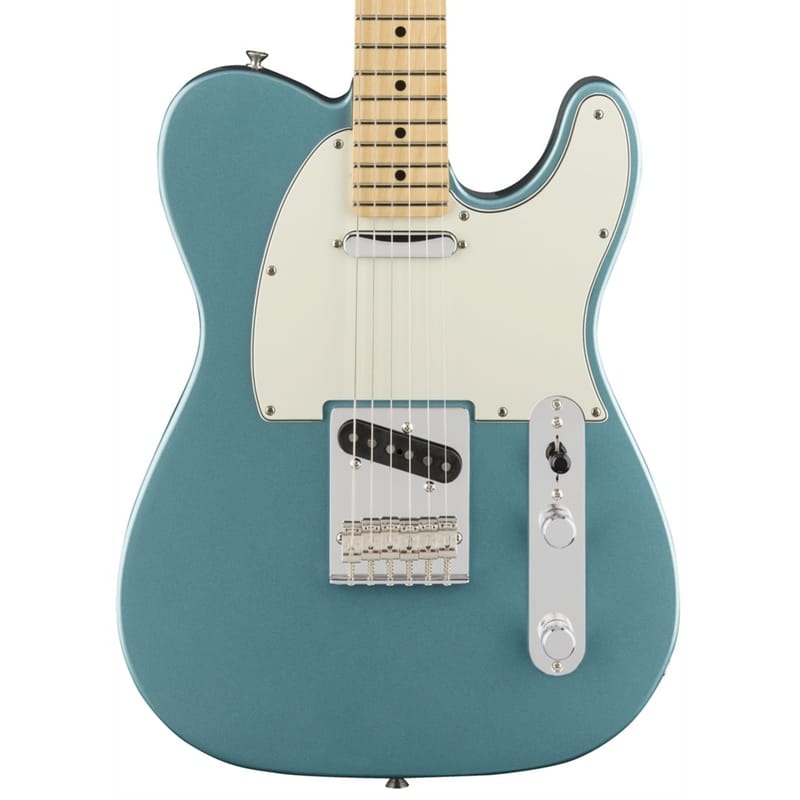
Fender Player Telecaster~£403 used — up 7.4%
Telecasters hold value well in general, but the Player series has seen a notable bump — from around £377 to £405. Demand for MIM Fenders has been strong, and the Telecaster's crossover appeal — rock, country, indie, studio work — keeps it in demand. Budget guitar buyers are increasingly willing to spend slightly more for a well-regarded used instrument over a cheaper new one.
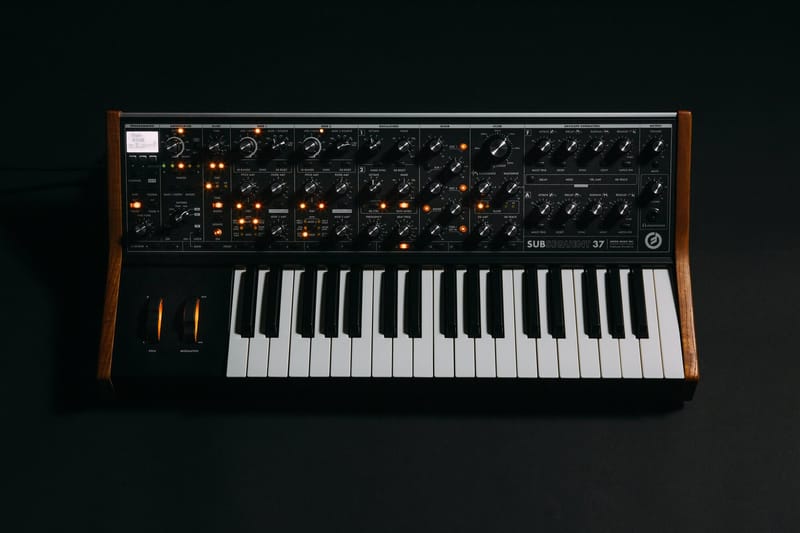
Moog Subsequent 37~£1047 used — up 4.6%
Used prices have climbed from around £1,058 to £1,107 — a steady rise that reflects consistent demand from players who want hands-on Moog character without the Minimoog's price tag. At roughly 75% of retail, it remains one of the stronger value propositions in the used mono synth market.
What's Falling
A different set of gear is softening, in most cases for identifiable reasons.
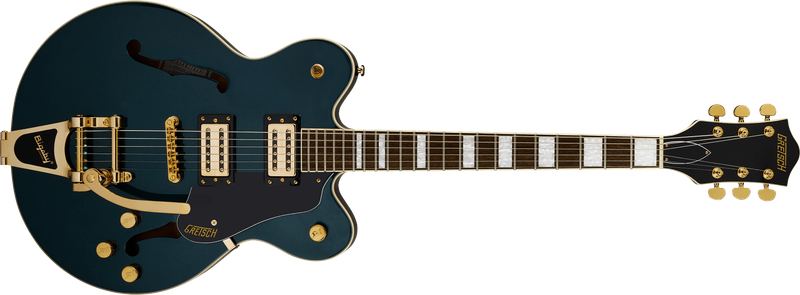
Gretsch G2622 Streamliner~£264 used — down 8.2%
Average price has dropped from around £292 to £268. The G2622 remains a popular entry point into Gretsch's semi-hollow territory, but it faces increasing competition from Chinese and Korean alternatives at similar price points. Sellers are meeting the market.
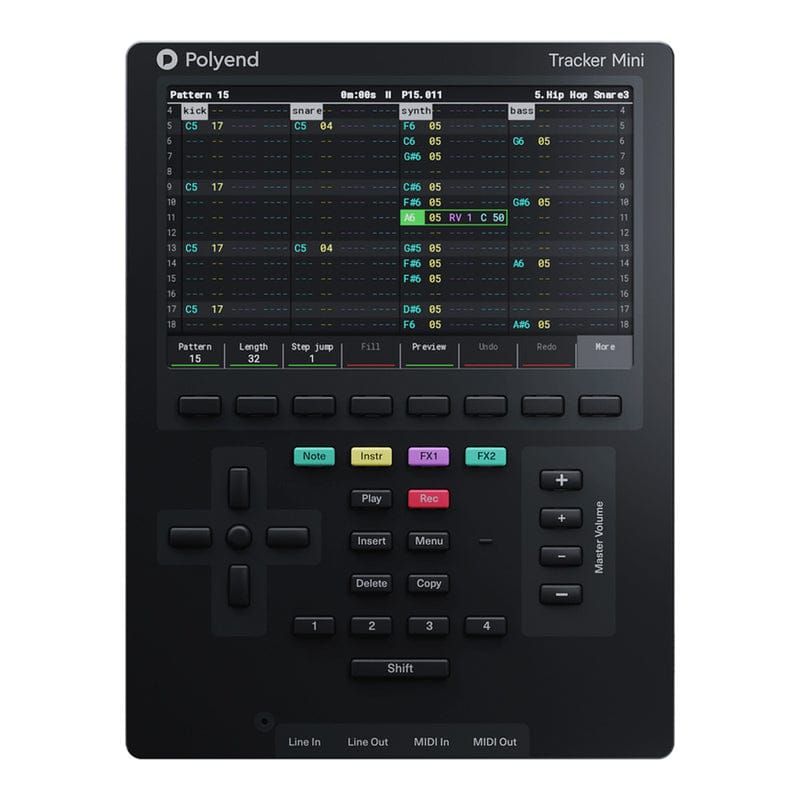
Polyend Tracker Mini~£322 used — down 6.1%
Average price has fallen from around £391 to £367 over the past year. The Tracker Mini retains value well relative to retail (around 92%), so this is a correction from a high point rather than a structural decline — the market is settling after early demand.
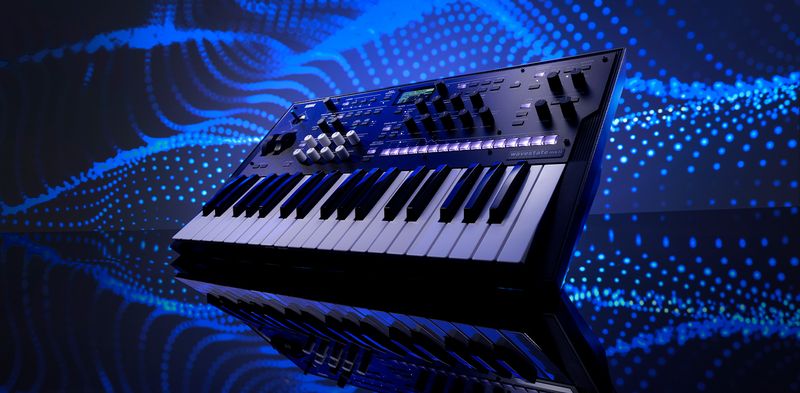
Korg Wavestate MKII~£312 used — down 4.7%
The wave sequencing market is increasingly crowded, and the Wavestate MkII faces pressure from both above and below. Used examples are becoming more plentiful as owners cycle through gear, and buyers have options. Still an excellent instrument; the price softening reflects normalisation rather than a fundamental problem with the product.
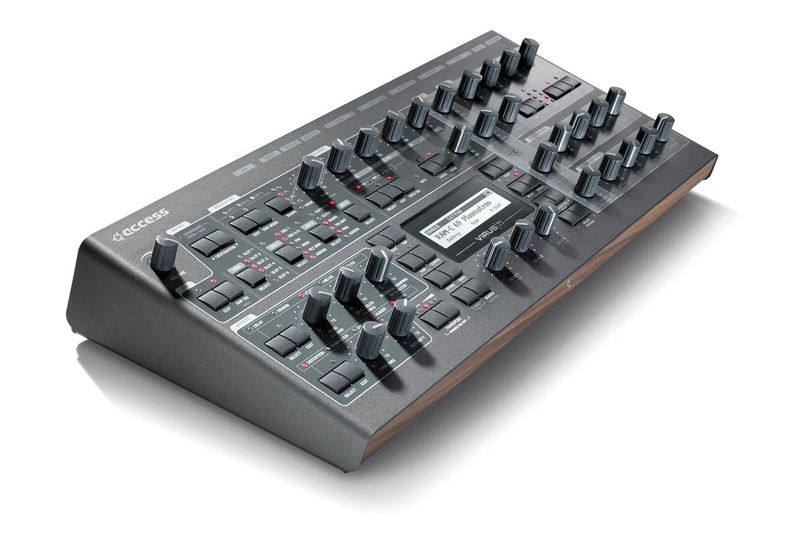
Access Virus TI Desktop~£795 used — down 3.7%
The Virus TI Desktop is unusual: despite the 3.7% fall, it still sells above its retail price — around 107% retention. That reflects genuine scarcity of a discontinued instrument with no real software equivalent. The "fall" here is a slight correction from an even higher peak.
Worst Depreciation
These instruments lose the most value relative to their new retail price. Useful data if you're buying new and plan to sell later — or if you're hunting a deal on the used market.
| Gear | Avg Used Price | Est. Retail | Retention |
|---|---|---|---|
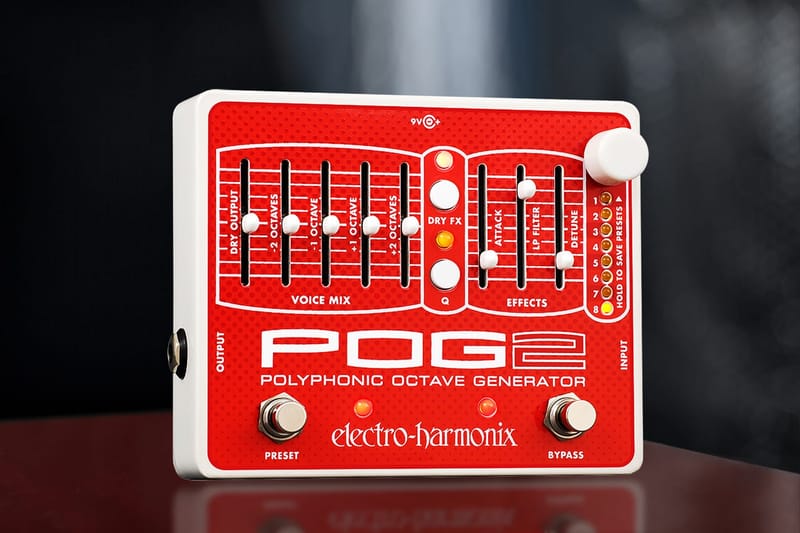
| Electro-Harmonix POG2 | ~£179 | £397 | 45.1% |
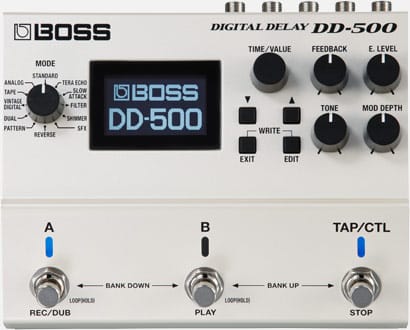
| Boss DD-500 | ~£164 | £350 | 46.9% |
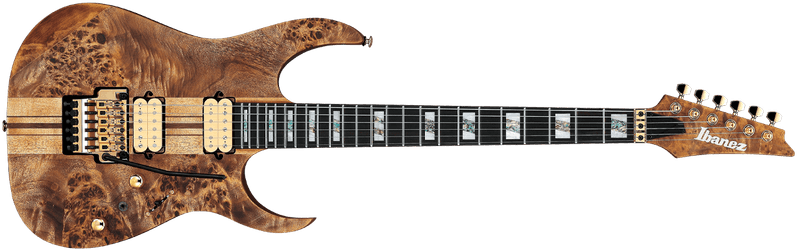
| Ibanez RG Premium | ~£566 | £1,200 | 47.2% |
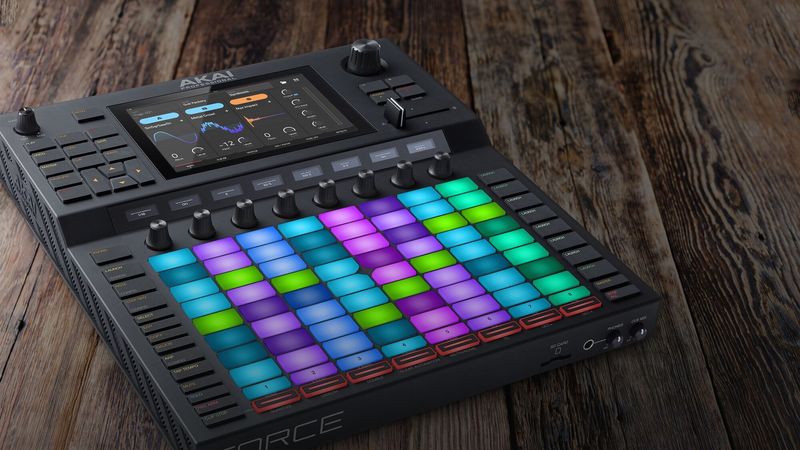
| Akai Force | ~£430 | £900 | 47.8% |
The POG2 tops the depreciation table despite being a genuinely useful pedal — it's been superseded in the market's perception by the Nano POG and EHX's newer designs, so used prices have drifted well below half retail. For buyers, that's good news: the circuit hasn't changed, and you can pick one up for a fraction of its original cost.
The Ibanez RG Premium is the most expensive item on this list in absolute terms. At £1,200 new and ~£566 used, the used market has settled at roughly half retail — which is partly a retail pricing story. Production guitars at this price point face more scrutiny from buyers who could spend similarly on a used American-made instrument instead.
The Akai Force launched at a premium price point in a crowded standalone workstation market, and the used supply is plentiful enough that buyers have leverage. At under half retail it represents real value for producers who want the MPC workflow in a larger form factor.
Most Traded
By average sales volume per price capture, these are the most liquid items in the used market — the easiest to buy and sell quickly.
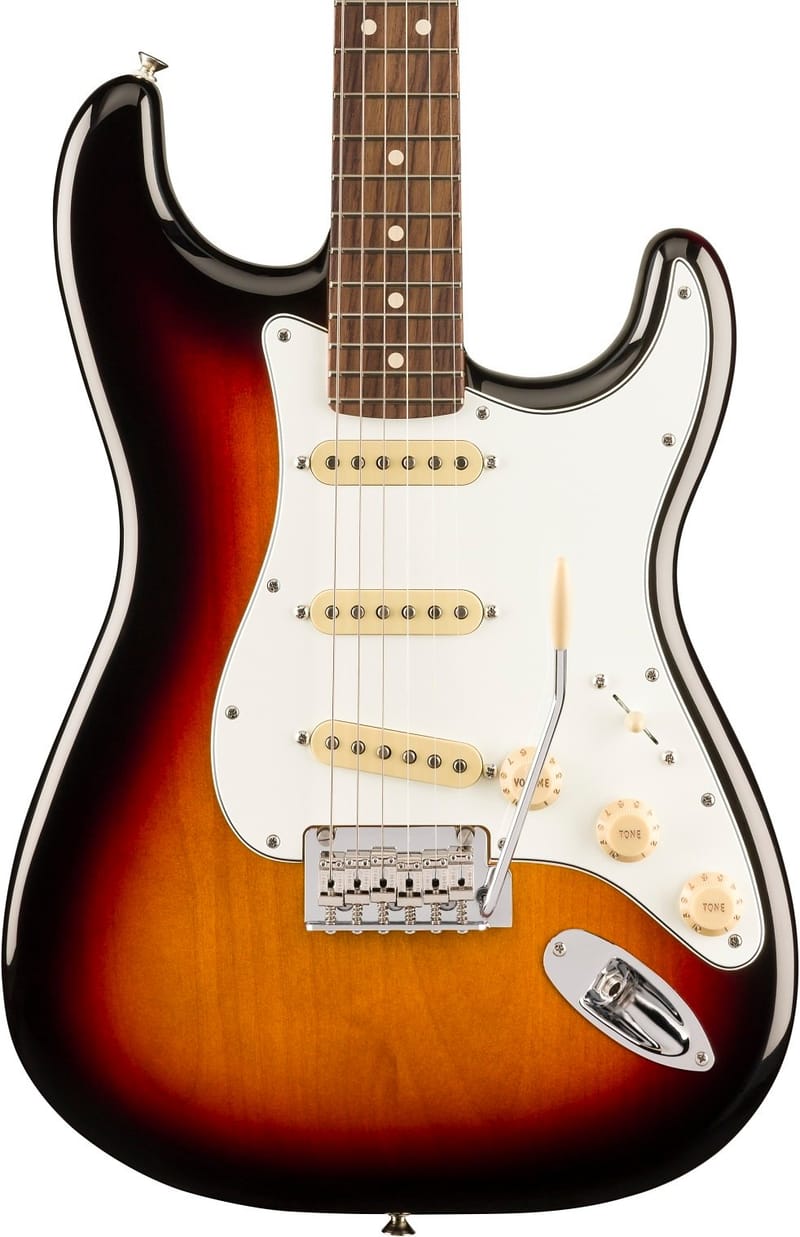
- Fender Player II Stratocaster — ~60 sales per capture
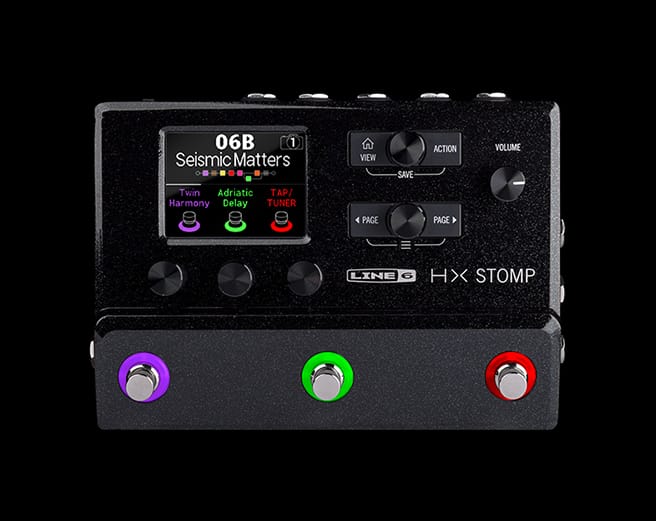
- Line 6 HX Stomp — ~60 sales per capture
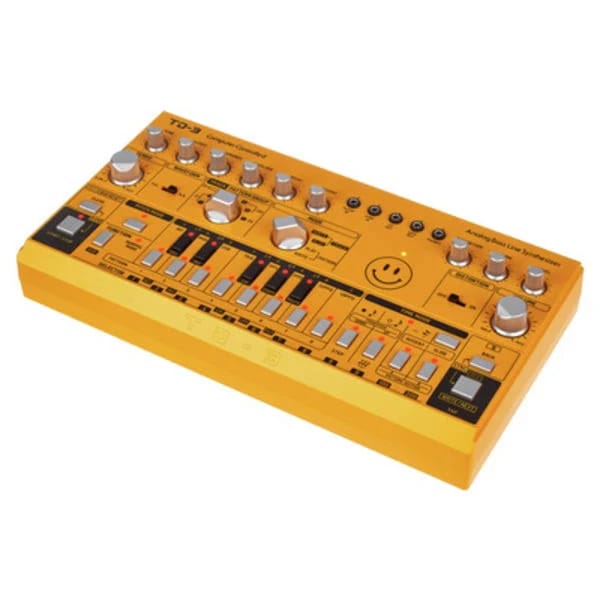
- Behringer TD-3 — high volume, low price point
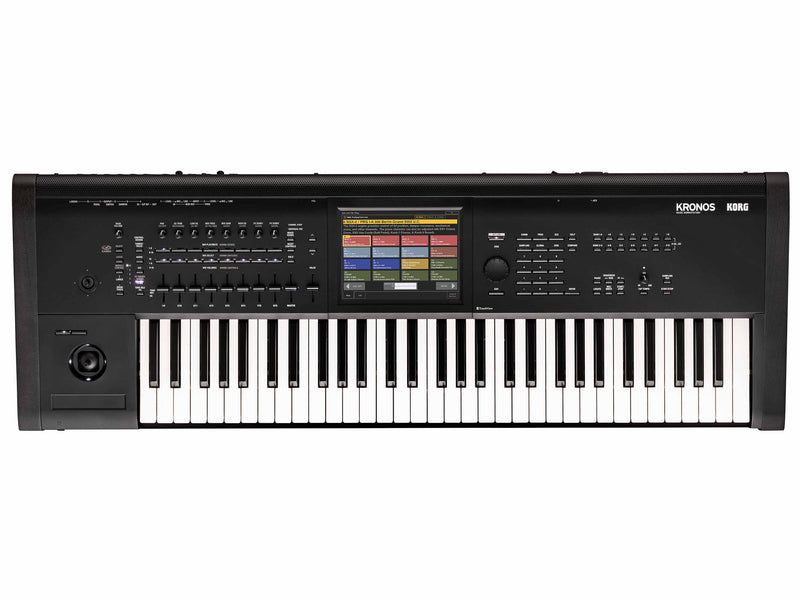
- Korg Kronos — active market despite age
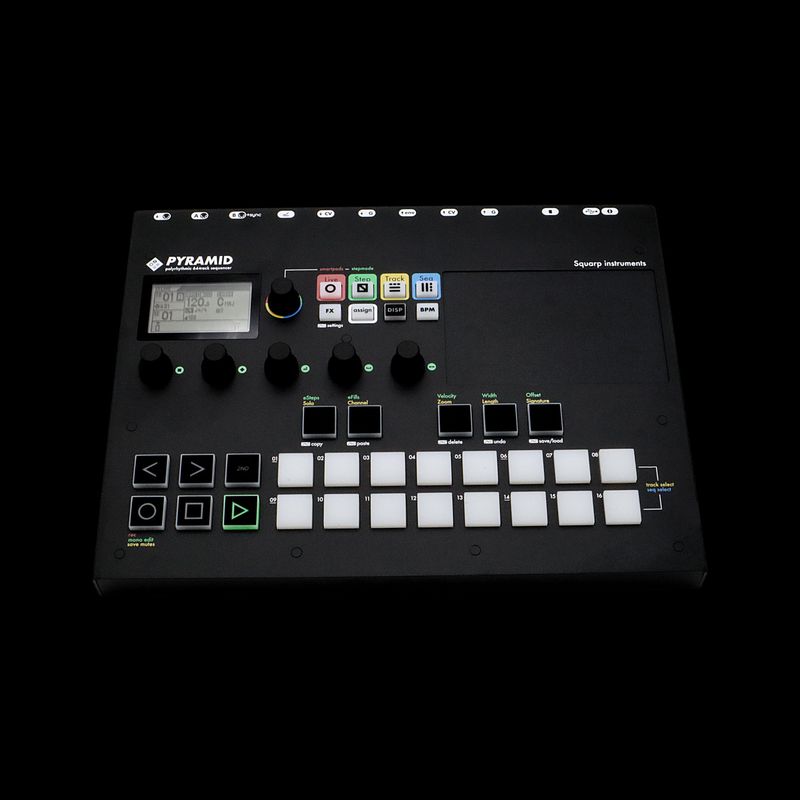
- Squarp Pyramid — consistently sought-after sequencer
The Strat and the HX Stomp topping the liquidity table is instructive. Both are versatile, well-regarded, and available in enough volume that buyers and sellers find each other easily. If you need to buy something you can sell quickly, these categories are where the market is deepest.
Value Retention by Category
How well does each category hold its value relative to retail?
| Category | Avg Retention |
|---|---|
| Synths | 78.6% |
| Drums & Samplers | 78.5% |
| Guitars | 78.3% |
| Effects Pedals | 69.4% |
| Sequencers | 67.6% |
Synths, drums, and guitars are bunched together in the high-70s, reflecting the enduring demand for quality hardware across all three categories. Effects pedals and sequencers depreciate more, with the sequencer category showing higher volatility — some units (Squarp Pyramid, Elektron Digitakt) hold well; others don't.
The practical implication: if you're buying gear as a long-term hold or to resell, synths and quality guitars have historically been the safer categories. Effects pedals are a buyer's market.
Reading This Data
This analysis is based on prices captured from Reverb sold listings using a consistent methodology applied each month. A few things to bear in mind when interpreting the numbers:
- Trust the direction more than the absolute figure. Because the same methodology runs each month, the trend — rising, falling, stable — is more reliable than any single price point. An average can shift slightly due to condition mix, variants, or sample size; the direction of travel over several captures is the more meaningful signal.
- Variants affect averages. A model available in multiple colours, configurations, or bundle options will have a noisier average than a single-SKU instrument. The figure represents the market as a whole, not any specific version.
- Condition is not separated. A mint-boxed unit and a well-worn example both count toward the average. In practice this tends to be consistent month-to-month, but it means the absolute number is an approximation rather than a precise valuation.
- Regional mix. Reverb is a global platform. UK, US, and European sales are not separated, so GBP figures reflect a currency-converted blend rather than a pure UK market price.
- Sample sizes vary. Items with fewer monthly sales have less stable averages — a couple of unusual sales can move the number. Higher-volume items (Stratocasters, HX Stomp) are more statistically robust than niche or discontinued gear.
Use this as context for your research, not as a definitive valuation. For any specific item, check the gear page for a current price range based on recent sales.
Data sourced from Reverb sold listings tracked across GearBook's catalogue. Coverage is limited to hardware gear pages we actively monitor — it is not a whole-market index. Retail prices are approximate and vary by region and retailer.