A digital piano for home practice needs to do three things well: feel like a real piano, sound like a real piano, and let you practise without disturbing the household. Here are the best options across every budget.
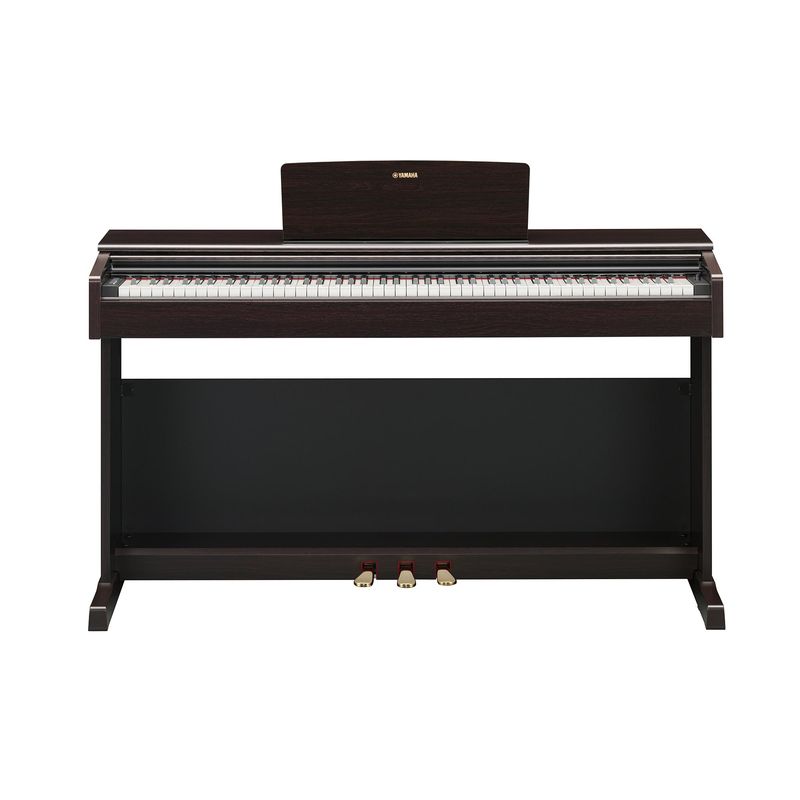
Best for Beginners: Yamaha Arius YDP-145~£869 used
The YDP-145 is the go-to recommendation for piano students. Yamaha's CFX concert grand sample sounds convincing, the GHS weighted action develops proper technique, and the built-in 3-pedal unit means you're learning with the right tools from day one. Dual headphone jacks allow teacher-student practice, and 353 built-in songs cover classical repertoire and exercises.
Price range: £700–£900 new, £400–£600 used Best for: Students, beginners, families wanting a long-term practice instrument.
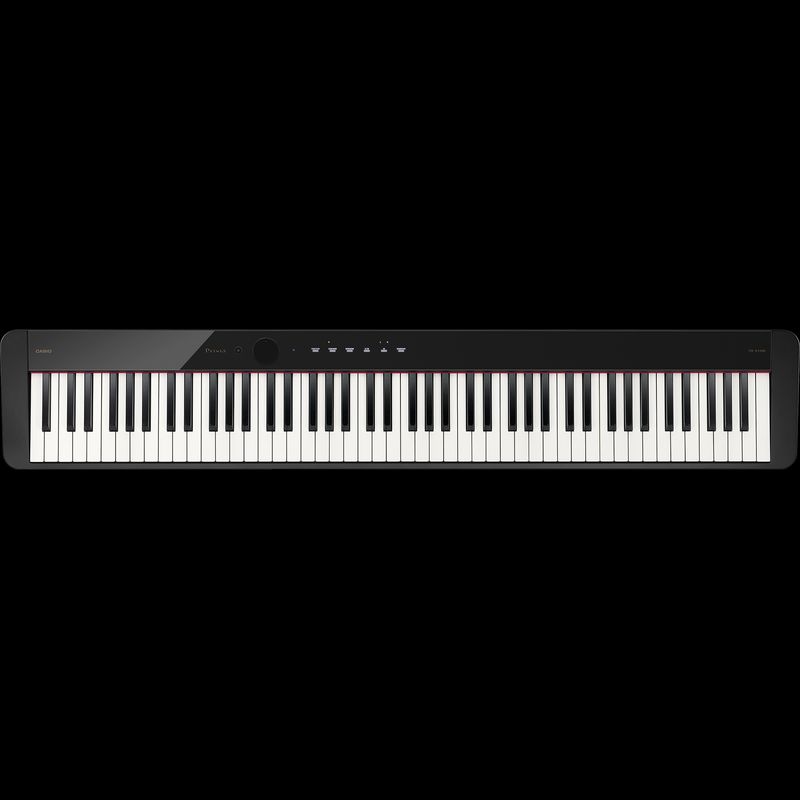
Best Portable: Casio PX-S1100~£395 used
If you need a piano that can move between rooms or travel to lessons, the PX-S1100 is remarkably slim and light while still offering 88 weighted keys and decent hammer action. Bluetooth audio lets you stream backing tracks through the speakers. It won't match a console piano for feel, but the portability is unbeatable.
Price range: £500–£600 new, £300–£400 used Best for: Players with limited space, anyone who needs to move their piano regularly.
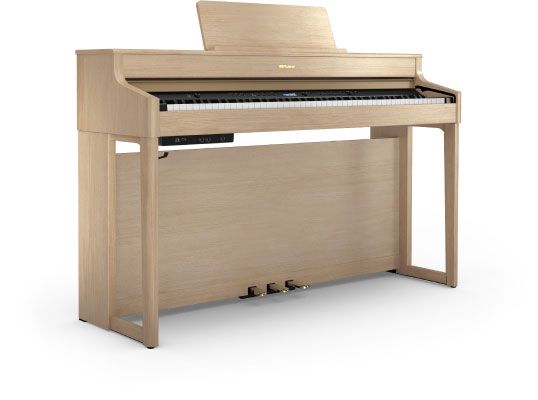
Best Mid-Range: Roland HP702
Roland's HP702 combines their SuperNATURAL piano modelling with a PHA-4 Standard keyboard that responds well to dynamic playing. The two-speaker system (2 × 12 cm, 28W total) fills a room without needing external amplification, and the cabinet looks like a traditional upright. Headphone 3D Ambience adds spatial depth for silent practice.
Price range: £1,200–£1,500 new, £700–£1,000 used Best for: Intermediate players wanting a step up in feel and sound quality.
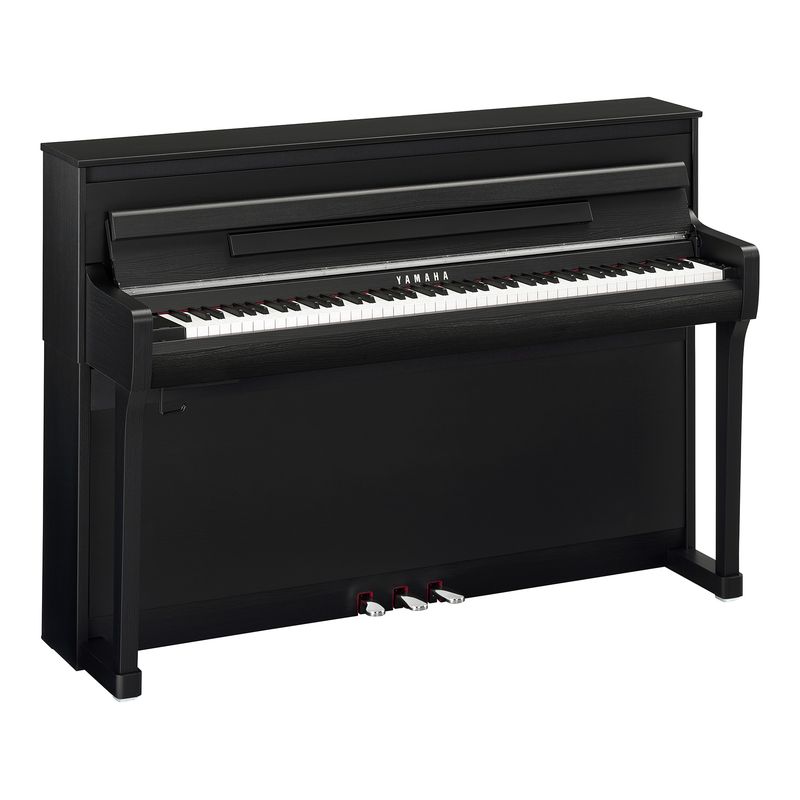
Best Flagship: Yamaha Clavinova CLP-885
The CLP-885 is as close as you'll get to an acoustic grand in digital console form. GrandTouch wooden keys with escapement, 300W speaker system with spruce cone drivers, and binaural CFX and Bosendorfer sampling that sounds stunning on headphones. This is the piano you buy when you're serious and want something that will last decades.
Price range: £4,500–£5,500 new, £3,000–£4,000 used Best for: Advanced players, piano teachers, anyone who wants the best digital piano experience available.
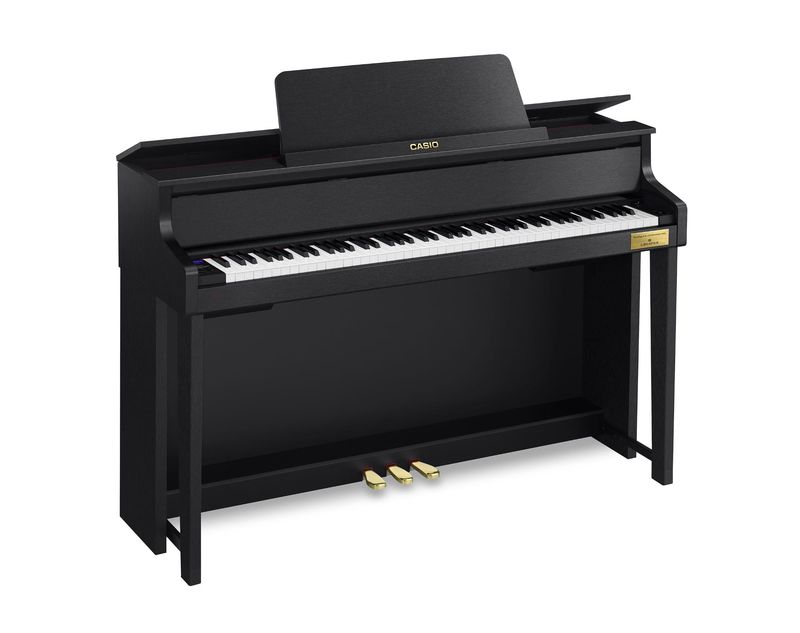
Best Grand Hybrid: Casio Celviano GP-310 Grand Hybrid
Casio's Grand Hybrid series uses a genuine acoustic grand piano action mechanism (developed with C. Bechstein), giving it a feel that most digital pianos simply can't match. The Berlin Grand, Hamburg Grand, and Vienna Grand sound engines cover the three major European piano traditions.
Price range: £2,000–£2,500 new, £1,200–£1,800 used Best for: Players who prioritise touch over everything else and want the closest feel to an acoustic.
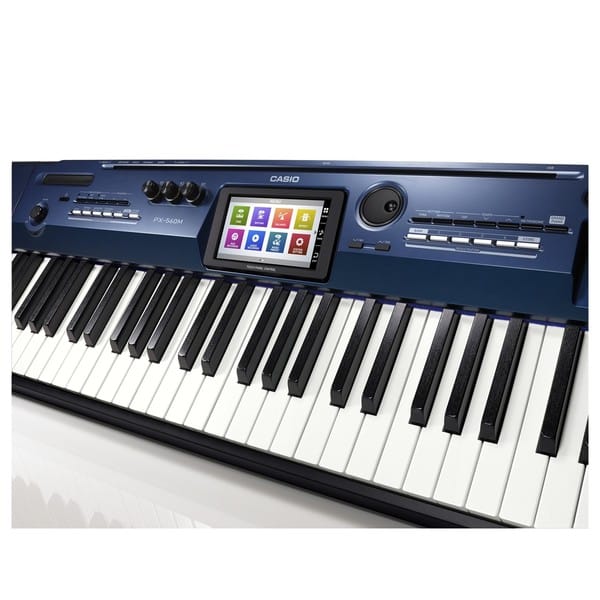
Best for Versatility: Casio Privia PX-560
If you want more than just piano, the PX-560 adds 650 tones including electric pianos, organs, strings, and synths, plus a hex-layer sound engine that lets you build complex stacked sounds. The colour touchscreen and phrase recorder make it a capable arranger as well as a practice piano.
Price range: £700–£900 new, £400–£600 used Best for: Players who want piano plus a range of other sounds for songwriting or performing.
What to Look For
Key Action
The most important factor. Look for:
- Weighted/hammer action — Essential for developing proper piano technique
- Graded weighting — Heavier in the bass, lighter in the treble, like an acoustic
- Escapement/let-off — The subtle "click" feel of a grand piano action (higher-end models)
Sound Engine
- Sampling — Recordings of real pianos played back. Quality depends on the source piano and sampling depth.
- Modelling — Mathematical simulation of how a piano works. Can respond more dynamically to touch.
- Binaural sampling — Recorded with a dummy head for realistic headphone listening.
Speaker System
For home practice, built-in speakers matter. Check the wattage and number of drivers — more isn't always better, but underpowered speakers will sound thin at lower volumes.
Headphone Experience
If you'll practise mostly with headphones, test this specifically. Some pianos sound great through speakers but flat on headphones. Binaural sampling and headphone-specific processing make a significant difference.
Pedals
A full 3-pedal unit (damper, sostenuto, soft) is important for serious practice. Half-damper support on the sustain pedal adds another level of expression.
New vs Used
Digital pianos hold their value reasonably well on the used market, making second-hand a smart option — especially for console models where the main concern is the key action, which wears slowly. Check all keys for even response, test the speakers at various volumes, and confirm all connectivity works. Unlike vintage synths, digital pianos don't have aging analog components to worry about, so a well-kept used model will perform identically to new.