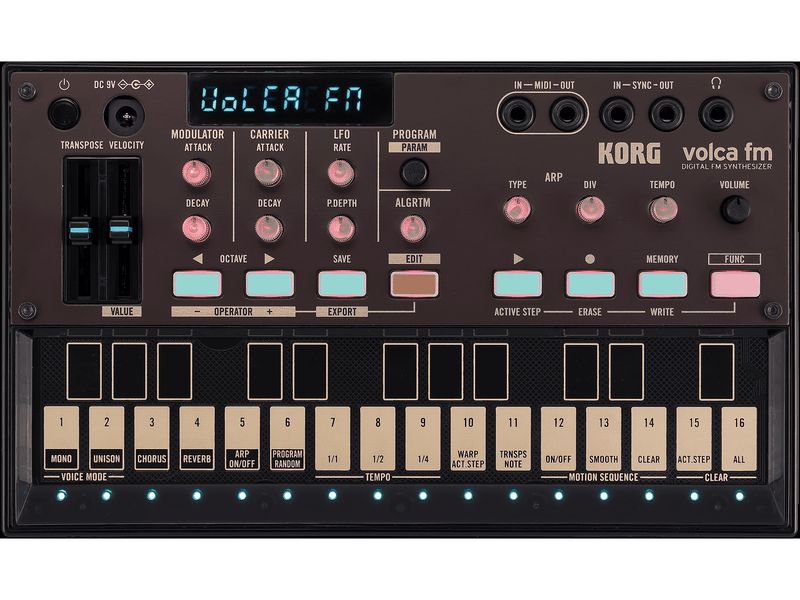
You don't need thousands to get into hardware synthesis. The used market is packed with capable, characterful synths that regularly sell for under £500. Here are the best options across different categories.
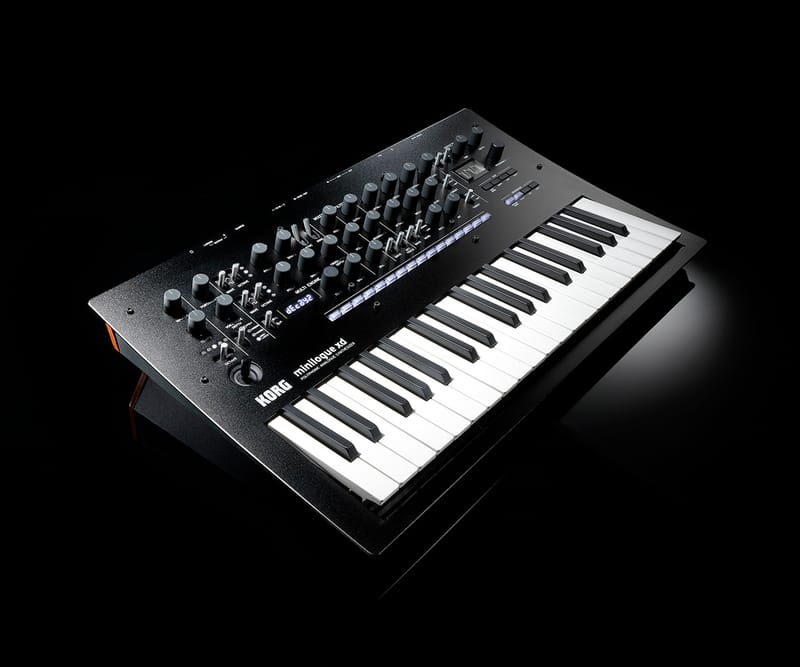
Best All-Rounder: Korg Minilogue XD~£388 used
The Minilogue XD gives you four voices of true analog polyphony with a digital multi-engine for noise, VPM, and user-loaded oscillators. The built-in effects (chorus, reverb, delay) are genuinely good, and the 16-step sequencer with motion recording makes it a self-contained instrument. Available from around £364 used*.
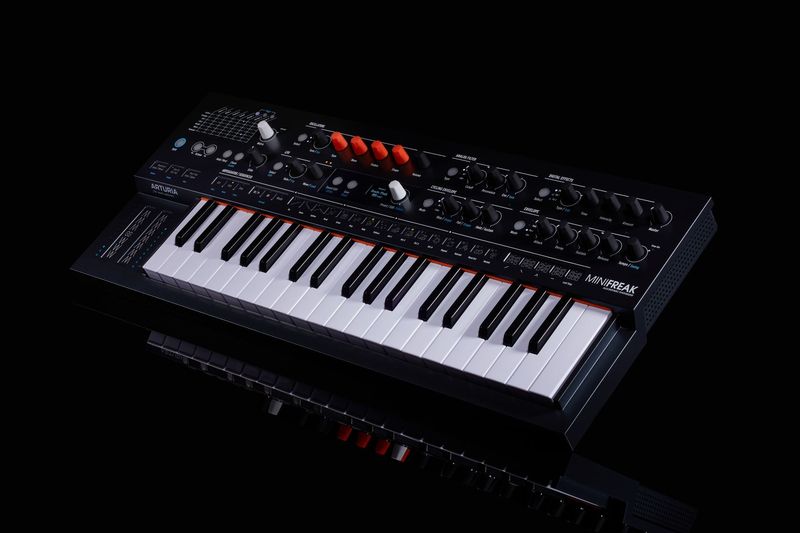
Best for Sound Design: Arturia MiniFreak~£375 used
The MiniFreak takes everything that made the MicroFreak interesting and adds true polyphony, better keys, and a more refined interface. Six voices, two digital oscillators per voice, an analog filter, a built-in effects chain, and a versatile sequencer make it one of the most capable synths available at this price point. Available from around £350 used*.
If your budget is tighter, the Arturia MicroFreak~£206 used covers similar sonic territory for around £210 used* — less polyphony but the same adventurous oscillator selection.
Best Analog Monosynth: Behringer Model D~£167 used
A faithful recreation of the Minimoog Model D at a fraction of the price. Three oscillators, the classic Moog ladder filter, and that unmistakable fat bass tone. No presets, no screens — just knobs and switches. Available from around £150 used*.
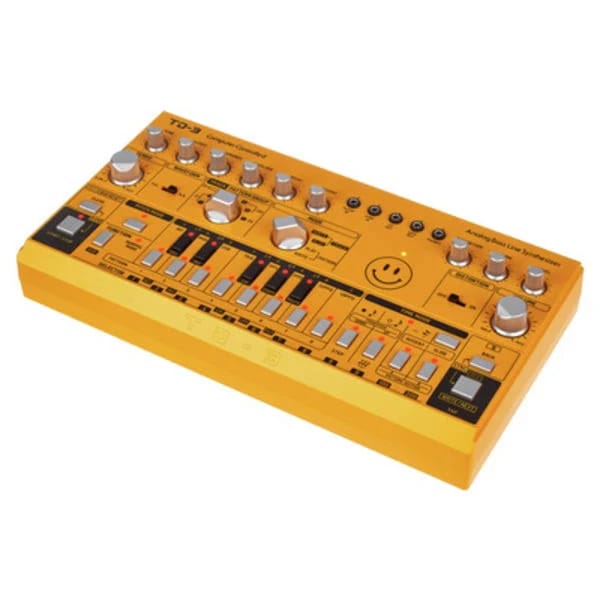
Best for Acid: Behringer TD-3~£71 used
The TD-3 clones the Roland TB-303 with remarkable accuracy — the squelchy filter, accent, slide, and that awkward-but-charming sequencer workflow are all present. Available in multiple colours. Available from around £73 used*.
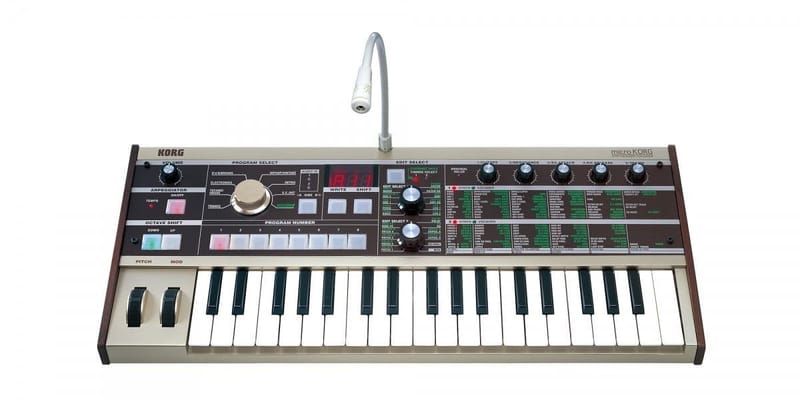
Best Starter Synth: Korg MicroKorg~£217 used
Still in production after over 20 years, the microKorg is a virtual analog synth with a vocoder that has appeared on countless records. Four voices, two oscillators per voice, and a surprisingly deep modulation section behind the compact panel. Available from around £242 used*.
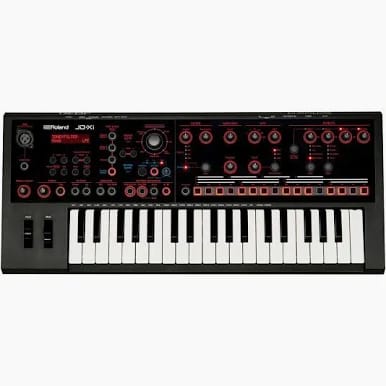
Best Analog/Digital: Roland JD-Xi~£264 used
The JD-Xi combines a true analog monosynth with two digital SuperNATURAL synth parts and a drum machine, all with built-in effects and a sequencer. It's a complete groove machine in a compact format. Available from around £236 used*.
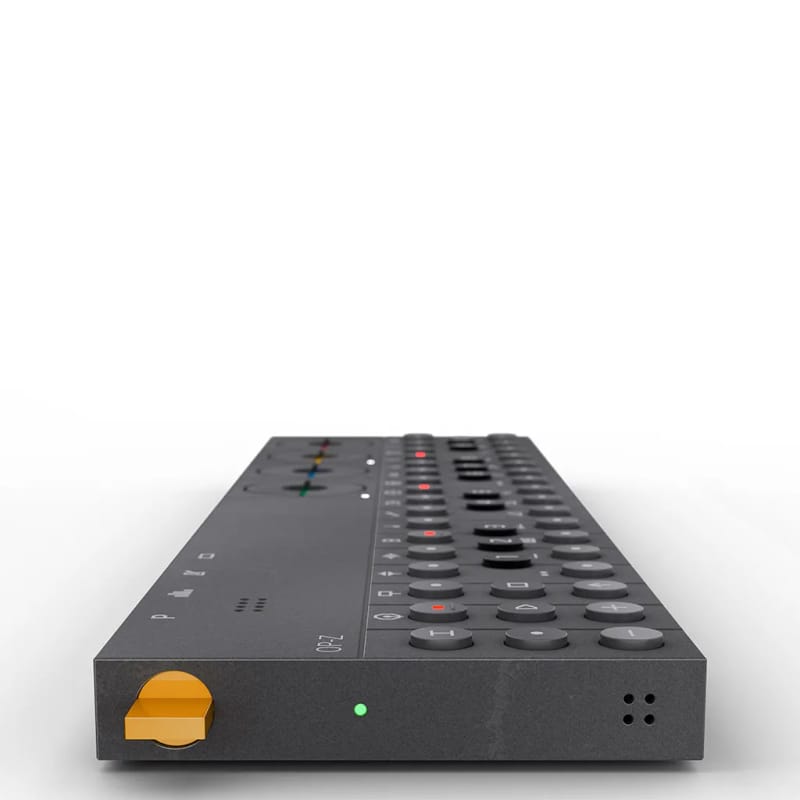
Best Portable: Teenage Engineering OP-Z~£255 used
The OP-Z is a pocket-sized sequencer and synth with 16 tracks, sampling capability, and even visual output via Unity. Its step components system adds probability, random, and parameter variation to sequences. Available from around £309 used*.
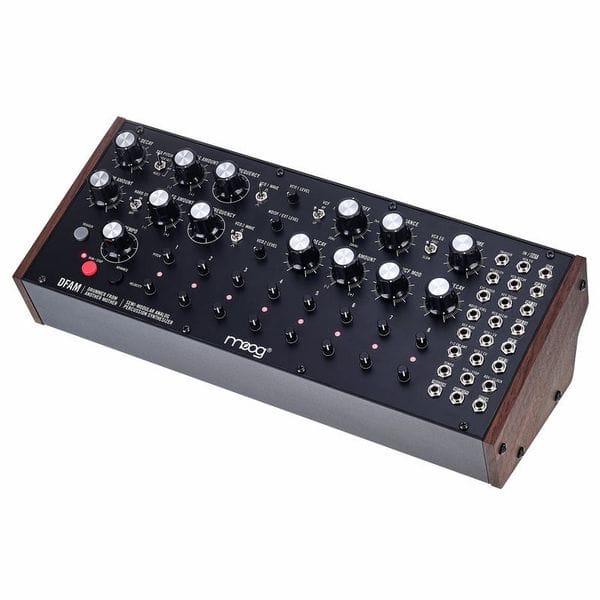
Best Percussion: Moog DFAM~£354 used
The Drummer From Another Mother is a semi-modular analog percussion synthesizer. No presets, no MIDI — just hands-on analog drum and percussion synthesis with a built-in sequencer and patch points. Available from around £348 used*.
Tips for Buying Used Synths
- Check the knobs and sliders — Scratchy pots are the most common issue. Fixable but annoying.
- Test every key — Velocity sensitivity problems are common on older units.
- Update the firmware — Many synths have received significant feature updates via firmware.
- Buy from reputable sellers — Reverb's buyer protection and eBay's money-back guarantee give you a safety net.
- Check the power supply — Some synths use proprietary adapters that are expensive to replace.
The used market is one of the best ways to get into hardware synthesis without overspending. Prices fluctuate, so use GearBook to track what things actually sell for before making an offer.
* Prices based on recent sales data from Reverb. Averages can be affected by regional variations, condition, and product variants — use the search links above for current listings.